⭐ New Lower Prices • Free Shipping $49+ (US) • Risk-Free Trial
Rebuild strength, restore range of motion, and move with confidence again. The XBAR Rehab & Mobility Collection is built for controlled, joint-friendly training—ideal for post-injury recovery, physical therapy routines, and daily mobility work. Start light, progress gradually, and keep your body moving forward with smooth resistance bands and recovery-focused tools you can use anywhere.
© Copyright. All rights reserved.
Rehab isn’t about crushing PRs—it’s about earning back clean movement, one rep at a time. XBAR rehab resistance bands are designed for smooth, consistent tension so you can retrain patterns without the “snap” or jerky feel that can make sensitive joints grumpy. That matters when you’re working through shoulder rehab, knee stability, hip mobility, or general range-of-motion rebuilding. Controlled resistance helps you focus on alignment, tempo, and muscle activation—three things that quietly do the heavy lifting in recovery.
The goal is simple: make the right muscles do the work again. Light resistance allows you to activate stabilizers, improve circulation, and restore coordination without compensating or bracing through pain. As you progress, the same tools help you gradually increase load—without suddenly jumping into weights that your connective tissue isn’t ready for yet.
Whether you’re following a PT plan or doing smart prehab to stay ahead of injuries, these bands let you scale intensity with precision. Move slowly. Own the range. Add resistance only when your form is boringly perfect (boring = effective, unfortunately). And if you’re under clinical care, match your routine to your provider’s guidance—your future self will thank you.
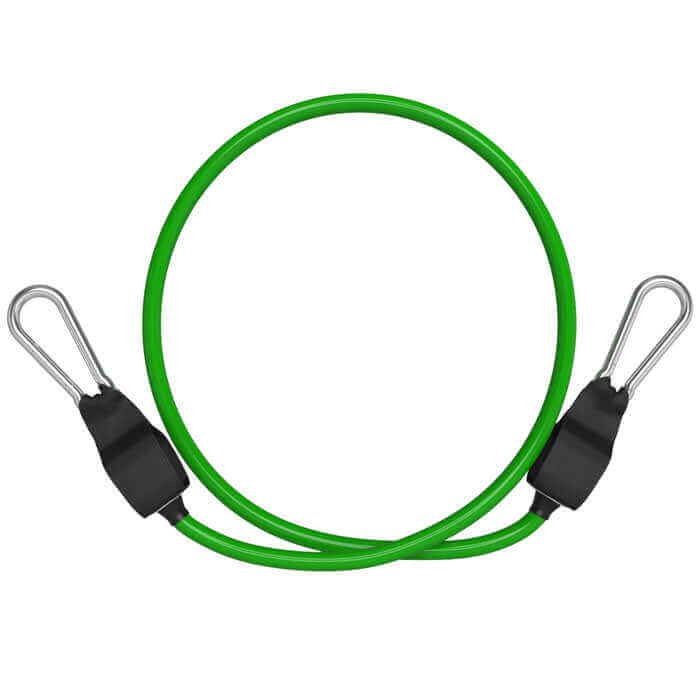
Recovery is a timeline, not a single workout. That’s why this collection is built around progression—starting with gentle options and scaling toward stronger, more athletic movement as you’re ready. Extra-light and light bands are ideal for early-stage work: rotator cuff activation, post-op range-of-motion drills, ankle stability, glute med engagement, and low-load strengthening that rebuilds confidence without flaring things up.
Loop and flat bands shine for lower-body mechanics and mobility: hip abductions, glute bridges, lateral walks, controlled stretching, and Pilates-style patterns that reinforce stability through the hips and trunk. They’re also great for “maintenance” days—when you want to keep your body tuned up without impact or heavy loading.
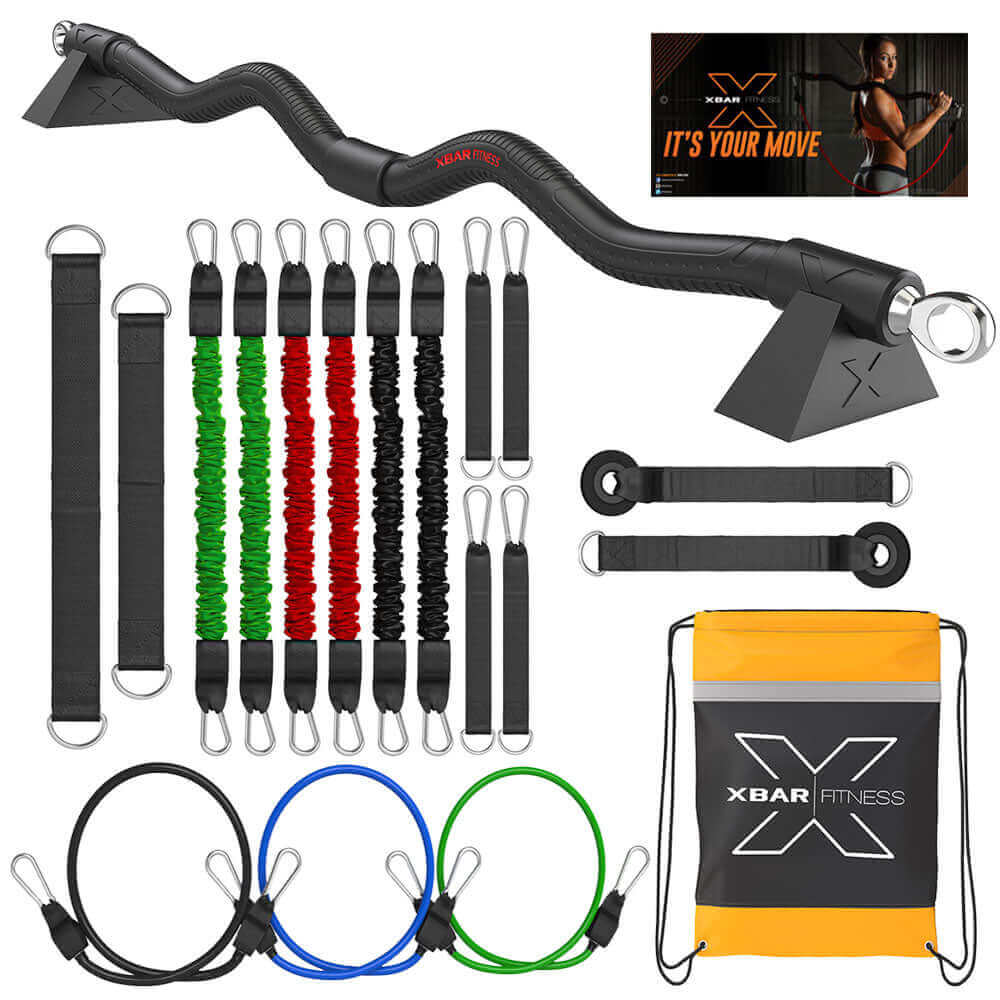
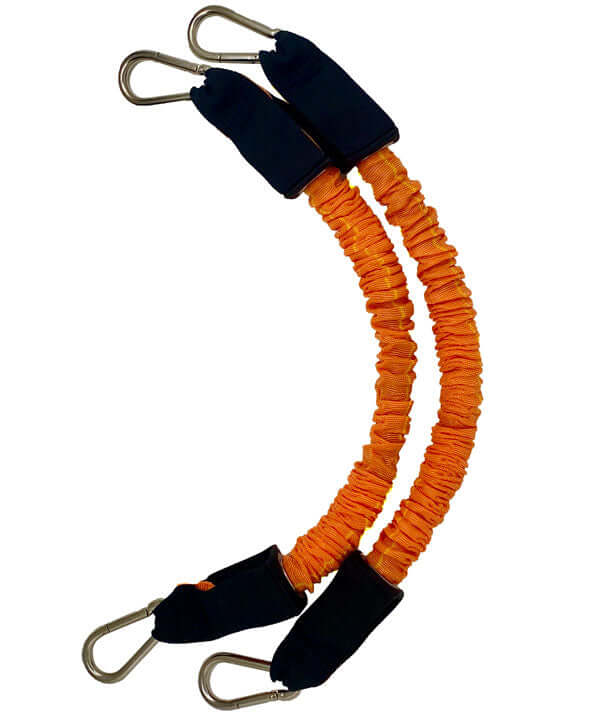
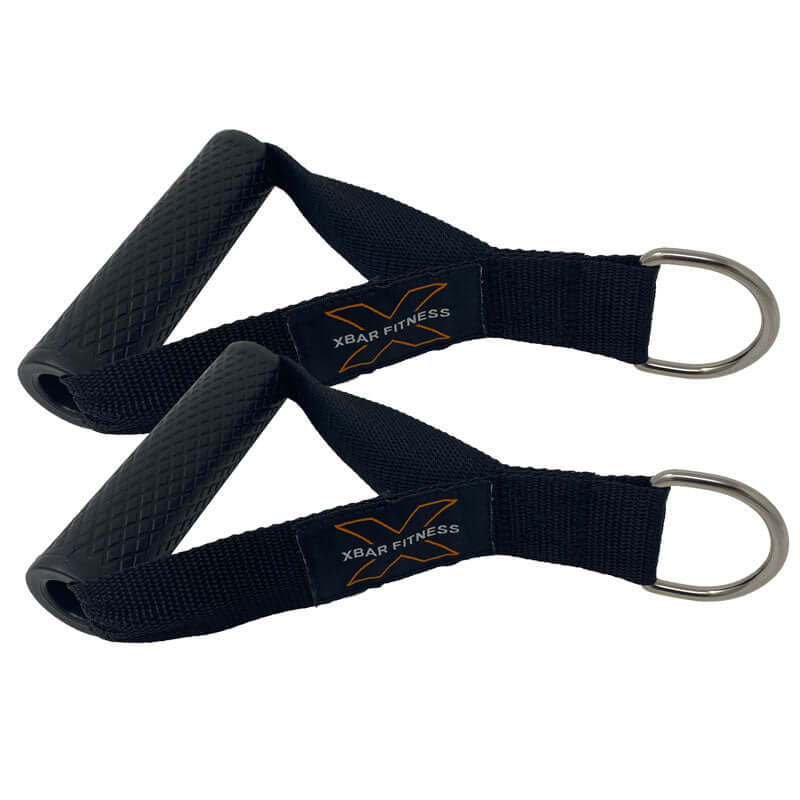
Anchors and straps make rehab more repeatable. By attaching bands to a door or fixed point, you can create consistent angles for rows, presses, external rotations, terminal knee extensions, and other PT-style movements—without needing a full gym setup. Consistency matters because it removes guesswork (and rehab has enough guesswork already).
Add sliders to rebuild core control and coordination with low impact. They challenge stability in a joint-friendly way and pair well with yoga or mobility flows. Start where you are, progress with intent, and keep the return-to-training phase smooth—not chaotic.
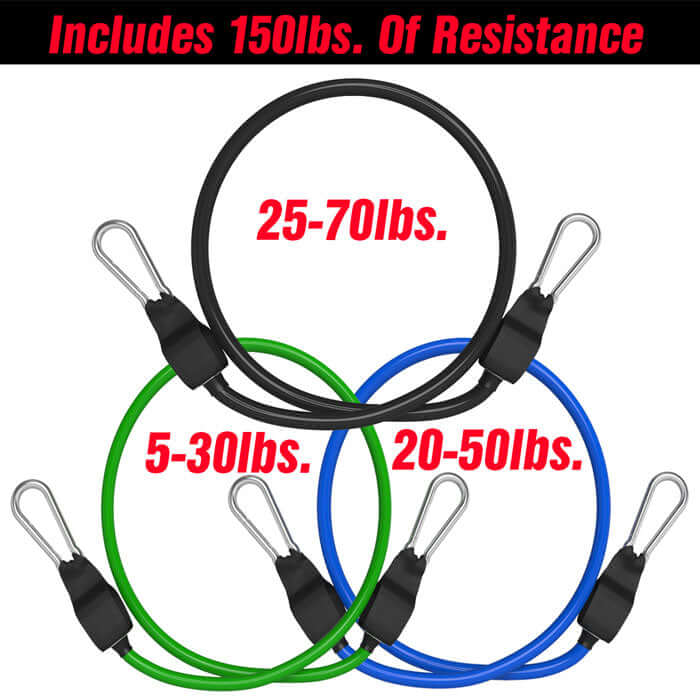
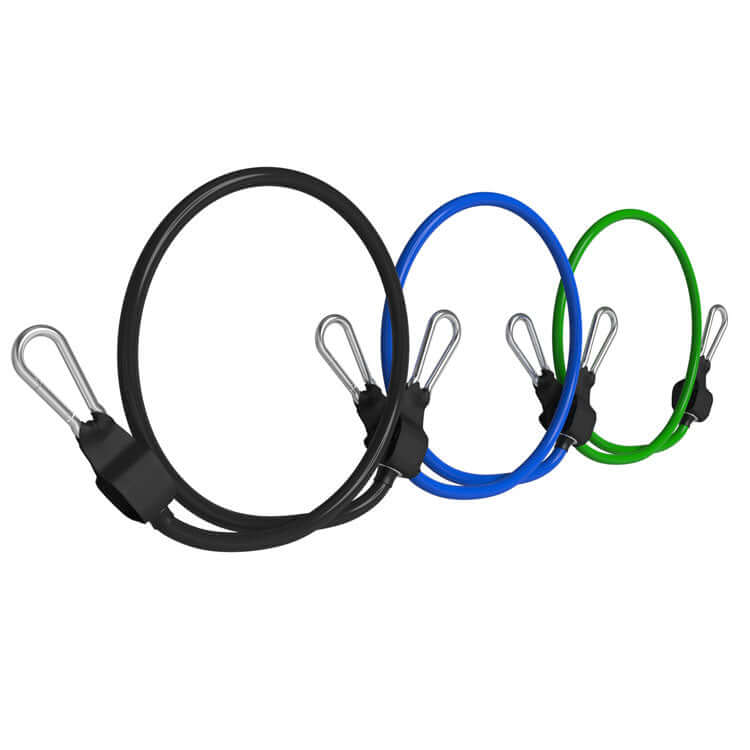
Resistance Band Sets (for progressive levels as you improve)
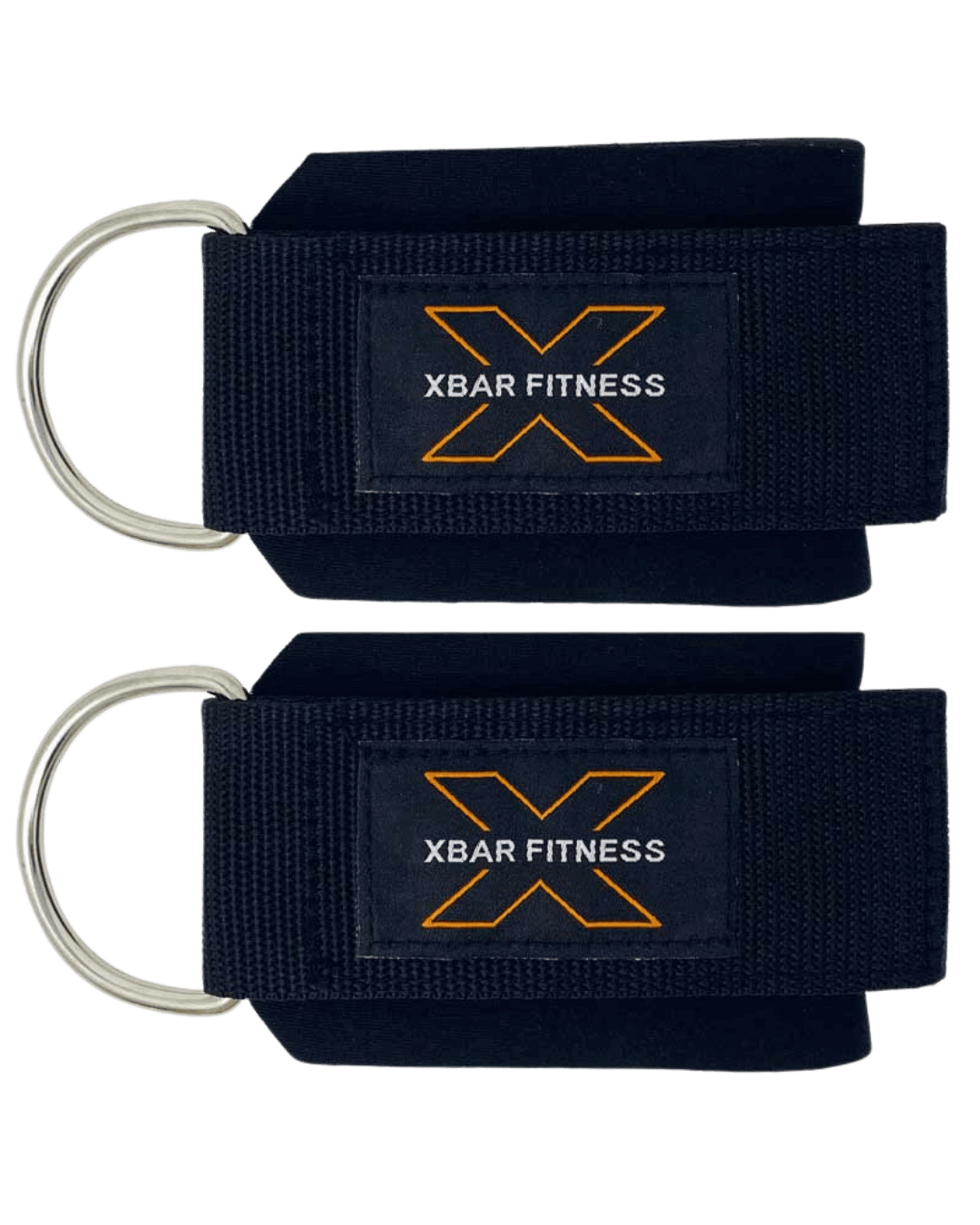
Accessories (anchors, straps, add-ons that expand rehab movement options)
Portable Home Gym Kits (when you’re ready to transition from rehab → full-body strength)
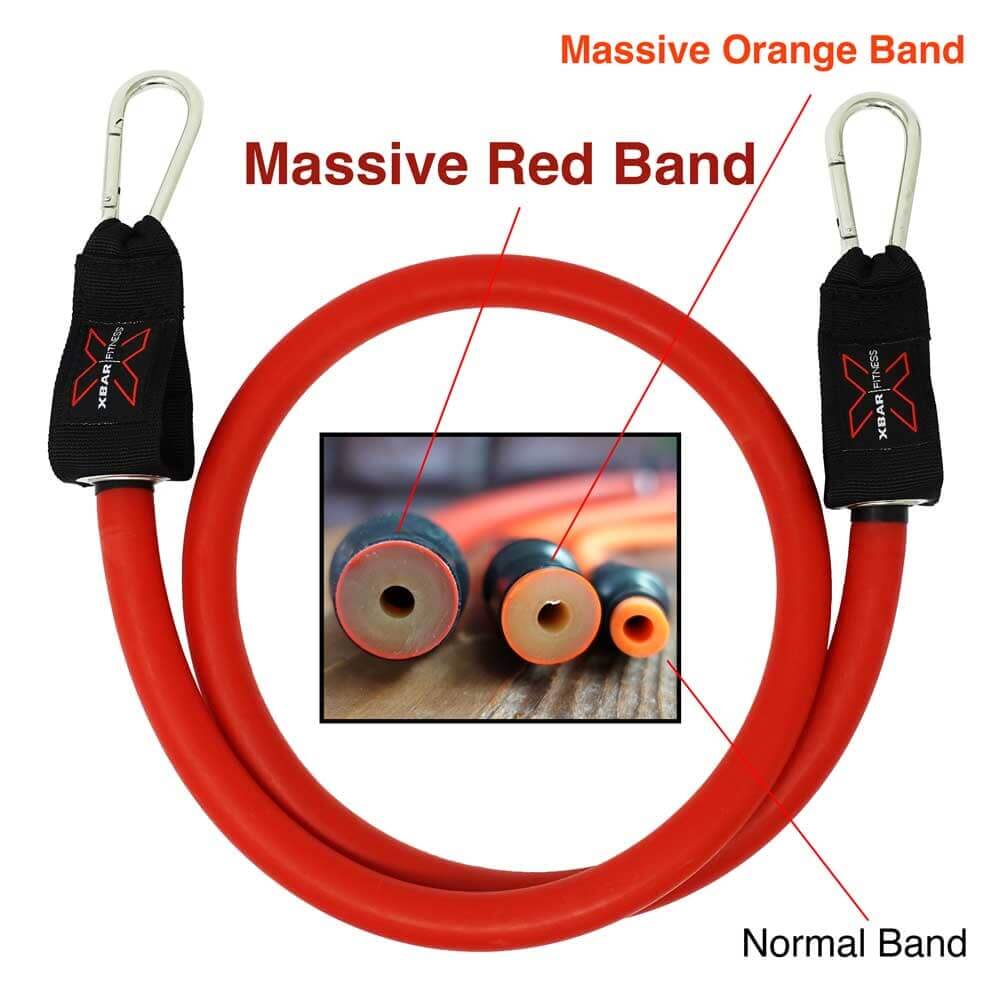
Heavy Resistance Bands (later-stage strength rebuilding and loaded movement)
Most Loved Products (best-sellers customers pair with mobility work)
The best rehab plan is the one you actually repeat. This collection is built for real life: small space, minimal setup, and tools you can keep within arm’s reach—so your routine doesn’t depend on perfect conditions or a perfectly empty gym. Bands and mobility tools let you train in a living room, a physical therapy clinic, an office, or a hotel room without losing momentum. That’s huge, because consistency beats intensity when you’re rebuilding.
A simple structure works (but, of course, always follow the advice of your PT/healthcare provider):
Warm-up mobility (3–5 minutes): gentle joint circles, light band-assisted range-of-motion, slow breathing.
Activation (5–8 minutes): low-resistance movements that “wake up” stabilizers—especially shoulders, hips, and core.
Strength re-entry (5–10 minutes): controlled reps with smooth tension—rows, presses, hinges, squats, or PT-specific patterns based on your needs.
Cool-down (2–4 minutes): light stretching and easy mobility to finish feeling better than you started.
The magic isn’t in doing more—it’s in doing it clean, frequently, and progressively. Track your reps, range, and discomfort (if any). If something pinches or sharply hurts, don’t “push through”—adjust range, resistance, or movement pattern. The win is sustainable progress: better movement quality, more stability, and the confidence to return to full training without feeling like you’re rolling dice with your joints.