



Best variable resistance training equipment in 2026
Best overall: Complete XBAR Home Gym Kit for Full-Body Workouts. Best for upgrading an XBAR you already own: Resistance Bands System 2.0 Band Set + Accessories. Best for simple resistance choices: Resistance Band Set (Light/Medium/Heavy). This 2026 guide separates complete kits from add-ons, so you only buy what your home workouts need.
- XBAR variable resistance equipment suits people who want portable, bar-based strength training at home.
- Start with the Complete XBAR Home Gym Kit for Full-Body Workouts if you don't own any equipment yet.
- Pick the Resistance Bands System 2.0 Band Set + Accessories to add bands, straps and anchors to an XBAR you already have.
- Match the band to the exercise. The highest rating on the label won't tell you which band to buy.
Why this matters
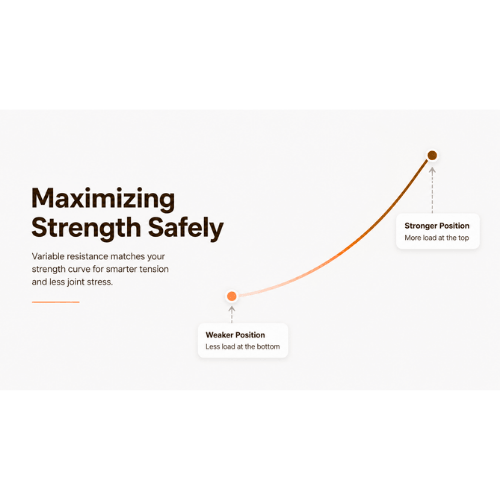
Variable resistance training equipment changes the load as you move. An elastic band pulls harder the further you stretch it, so the band you pick, where you start and how you attach it are all part of the exercise.
XBAR is built for people who want a portable, bar-based resistance system at home. If you're starting with nothing, the Complete XBAR Home Gym Kit for Full-Body Workouts is the default pick.
The most common buying mistake is comparing a complete kit with a band set as if they do the same job. They don't. Start with what you already own, then figure out which movements and resistance levels you're missing.
What to look for in variable resistance training equipment
- Complete setup: Know whether you're buying a full kit or just a bar, a band set or an accessory. Check the "What's included" list before you order.
- Usable resistance: Pick tension you can control through the whole movement, even if it's well below the biggest number on the label.
- Exercise coverage: Make sure the gear and attachments you're buying let you train your lower body, pushing and pulling.
- Working space: Leave room for your body, the bar and the stretched bands. A small storage footprint doesn't tell you how much room you need to train.
- Progression options: Look for simple ways to add resistance as each exercise gets easier.
- Setup requirements: Check attachment compatibility, anchor instructions and what you'll change between exercises.
XBAR equipment at a glance
These four picks cover different situations: starting a home setup, upgrading one you have, choosing between resistance levels and starting with lighter tension.
| Equipment | Best for | Standout feature | Key limitation |
|---|---|---|---|
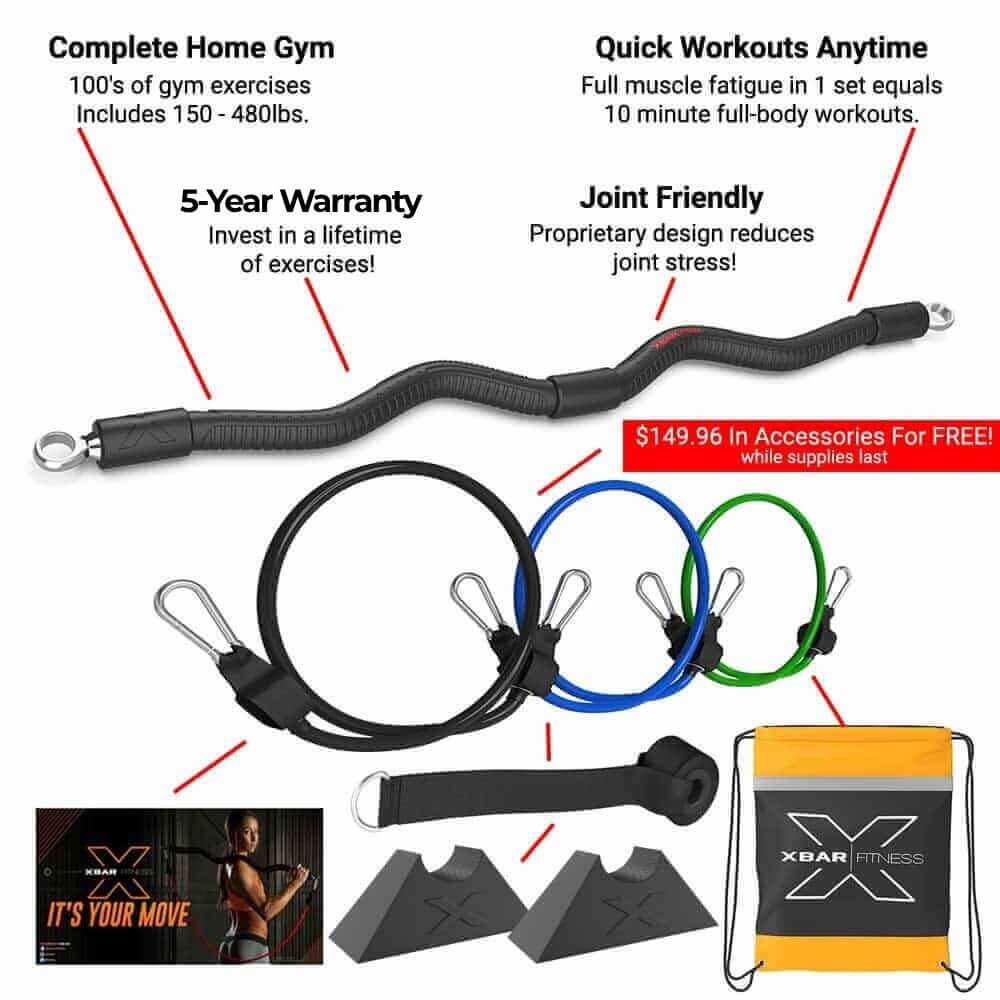
| Complete XBAR Home Gym Kit for Full-Body Workouts | Starting a portable home gym | Bar, three bands, push-up docks, door anchor and travel bag in one kit | Needs more room to train than it takes to store |
| Resistance Bands System 2.0 Band Set + Accessories | Upgrading an XBAR you already own | Six bands plus straps and two door anchors | No bar included |
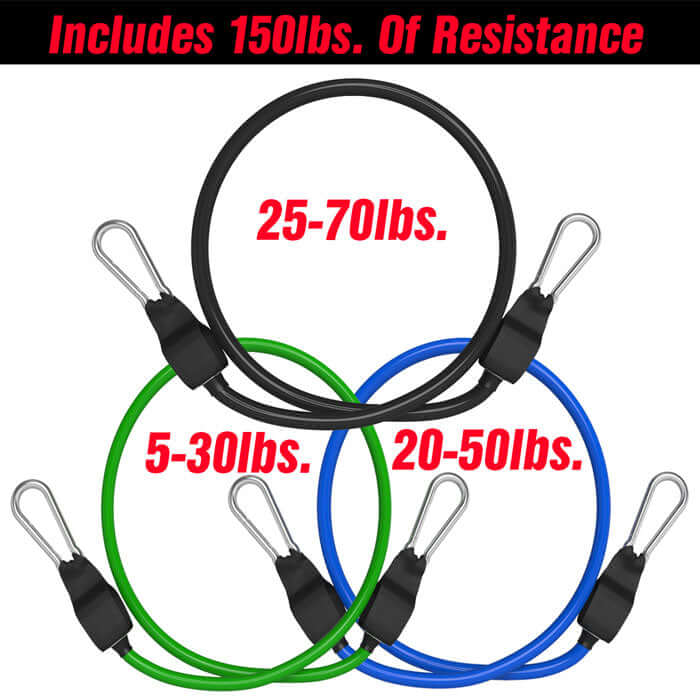
| Resistance Band Set: Light, Medium and Heavy | Choosing between distinct resistance levels | Light (5–30 lb), medium (20–50 lb) and heavy (25–70 lb) bands | Bands only, so you still need a bar or anchor setup |
| Extra Light Resistance Band | Starting with lighter resistance | Stated resistance range of 3–15 lb | One light band won't cover every strength exercise |
1. Complete XBAR Home Gym Kit: best if you're starting from scratch
The Complete XBAR Home Gym Kit for Full-Body Workouts is portable equipment for full-body strength and mobility training. If you want one coordinated system instead of piecing parts together, start here.
The kit comes with the 35-inch XBAR, three resistance bands (light, medium and heavy, 5 to 150+ lb combined), two push-up docks, a full-door anchor, an accessory travel bag, a training guide with 100+ exercises and access to the XBAR online workout library. You get bar-based training without a rack or a corner full of weights, and the scalable resistance means you swap or stack bands as each exercise gets easier. You'll still need clear space to do each exercise safely.
Complete kit pros:
- Bar, bands and accessories in one purchase.
- Covers strength and mobility work for your whole body.
- Compact and portable, so you can train at home or on the go.
- Comes with a printed training guide and online workout library access.
Complete kit cons:
- The bar needs room to move, even though the kit stores small.
- It's more than you need if you only want a replacement band.
- Each movement has its own setup, so expect a short learning curve.
Best for: You're building a home workout setup and want bar-based resistance training without buying every piece separately.
Before you order, compare the included items with the exercises you plan to do. The other products in this guide, like the Extra Light band and the RS 2.0 set, are sold separately.
Verdict: Buy it if you need a complete starting system. Skip it if you only need an upgrade.
2. Resistance Bands System 2.0 Band Set + Accessories: best for upgrading your XBAR
XBAR sells the Resistance Bands System 2.0 Band Set + Accessories as an upgrade for XBAR training. You're adding to the setup you have, so you aren't paying for the bar twice.
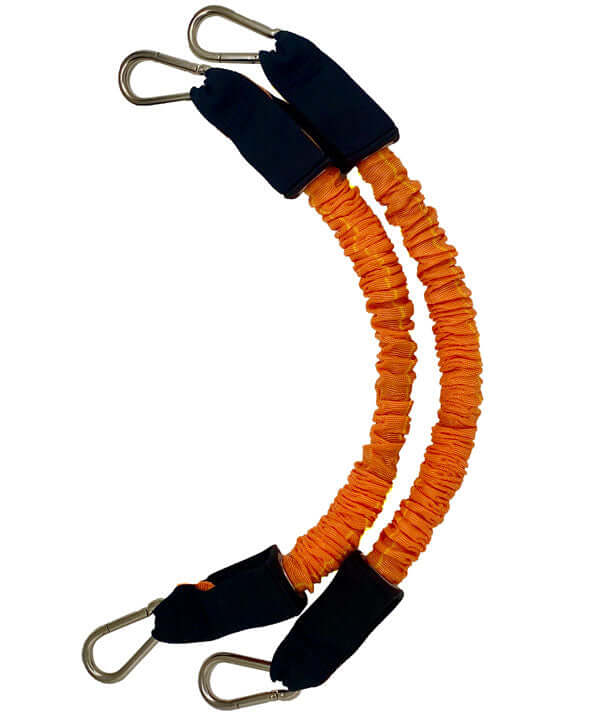
The set includes two light bands (5–30 lb), two medium bands (20–50 lb), two heavy bands (25–70 lb), four 10" straps, one 18" strap, one 24" strap and two door anchors. It doesn't include a bar.
Resistance System band set pros:
- Adds bands and attachments to the XBAR you already have.
- Six bands, straps and two door anchors in one purchase.
- Expands your resistance options without replacing your whole setup.
Resistance System band set cons:
- It's built as an XBAR upgrade, so check what you already own first.
- If you're starting from zero, the complete kit is the better first buy.
- More parts means more setup details to learn and inspect.
Best for: You already own an XBAR and want more band-based training options.
Buy it to fix a specific gap. Name the exercise, attachment or resistance level you're missing before you add another set to your storage space.
Verdict: Buy it for a defined upgrade. Hold off if you haven't worked out what your current setup is missing.
Compare the starting kit and upgrade set
Get the complete kit if you need the foundation. Get the band set if you already have it. These are two different purchases for two different situations.


3. Light, medium and heavy band set: best for clear resistance choices
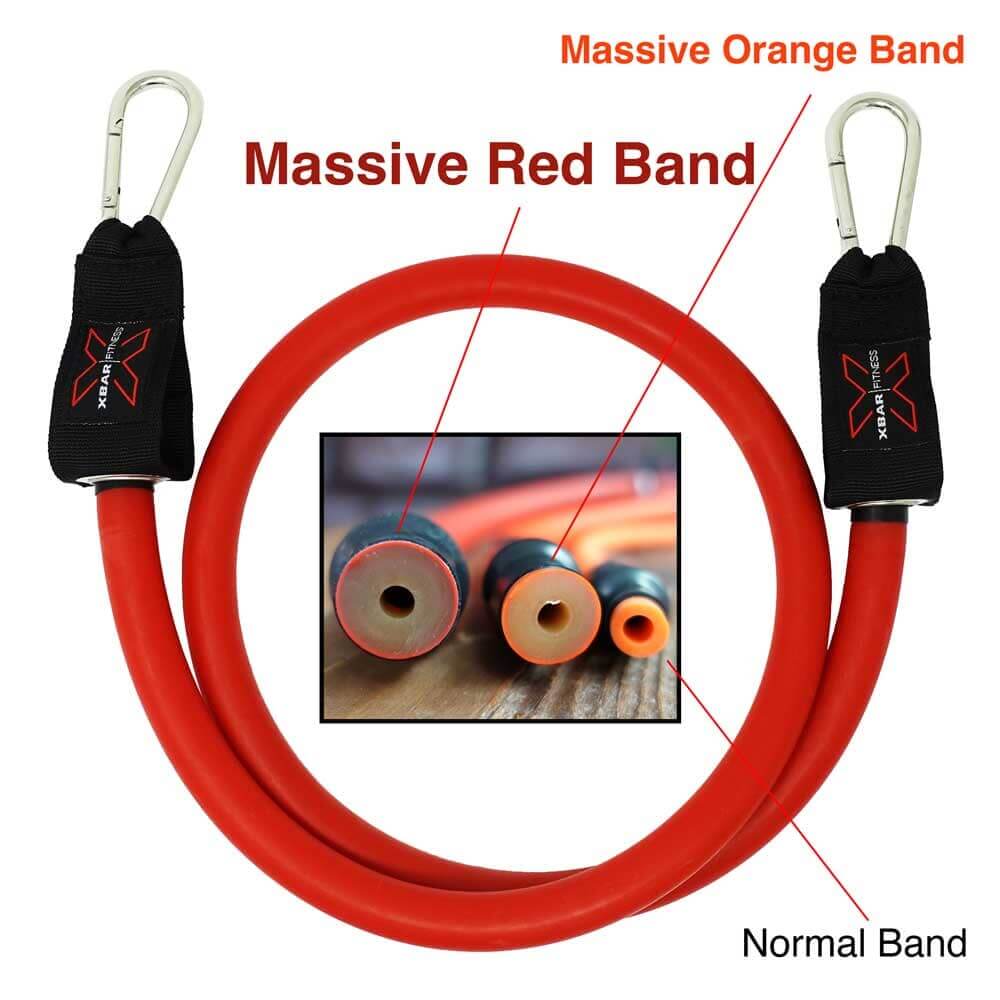
Resistance Band Set (Light/Medium/Heavy) gives you three separate bands: light (5–30 lb), medium (20–50 lb) and heavy (25–70 lb). Each one is 57.5" long, and you can use them one at a time or stack them for 150+ lb combined. The Complete XBAR Home Gym Kit already includes these three bands, so this set makes the most sense as a replacement or a spare.
Pay more attention to each band's range than to the combined rating. Band tension changes with stretch, so the force you feel depends on the exercise and your setup. A fixed-weight dumbbell weighs the same through the whole rep. A band doesn't, so the two labels don't mean the same thing.
Light, medium and heavy set pros:
- Three distinct resistance levels instead of one band for everything.
- You can choose a different band for each exercise.
- An easy way to organize lighter and heavier work.
Light, medium and heavy set cons:
- The ranges overlap and don't tell you the force at every point in a rep.
- Bands only, so you'll need a bar or anchor for many movements.
- Heavier isn't automatically right for small-muscle exercises.
Best for: You already have a training setup and want clearly separated resistance options.
Write down which band you used along with your setup. If you switch bands and change your stance or starting stretch at the same time, it's hard to tell whether you're getting stronger. Keep the movement the same before you decide you need more tension.
Verdict: Buy it if your current gear doesn't give you enough resistance options. Hold off if your setup changes from workout to workout, because that's the thing to fix first.
4. Extra Light Resistance Band: best for a lighter starting point
The Extra Light Resistance Band has a stated range of 3–15 lb. It has a narrower job than the other picks: lighter loading for exercises where a stronger band makes it hard to stay in control.
"Extra light" doesn't mean an exercise is safe for an injury or medical condition. That's a question for a qualified clinician, and the resistance label can't answer it.
Extra Light Resistance Band pros:
- Adds a lower-tension option to your existing setup.
- Gives you a lighter starting point for practicing form.
- Saves you from buying a full set when one light band is all you need.
Extra Light Resistance Band cons:
- One band gives you limited room to progress.
- It isn't enough resistance for every person or exercise.
- It's an accessory. It won't work as a complete home gym.
Best for: You need a lighter option for certain movements.
Use the band that lets you hold the right position through your full range of motion. If you have to shorten the rep, twist or rush to finish, drop the resistance or change the setup.
Verdict: Buy it for a specific lighter-load need. Don't make it your only equipment if you want broader strength training.
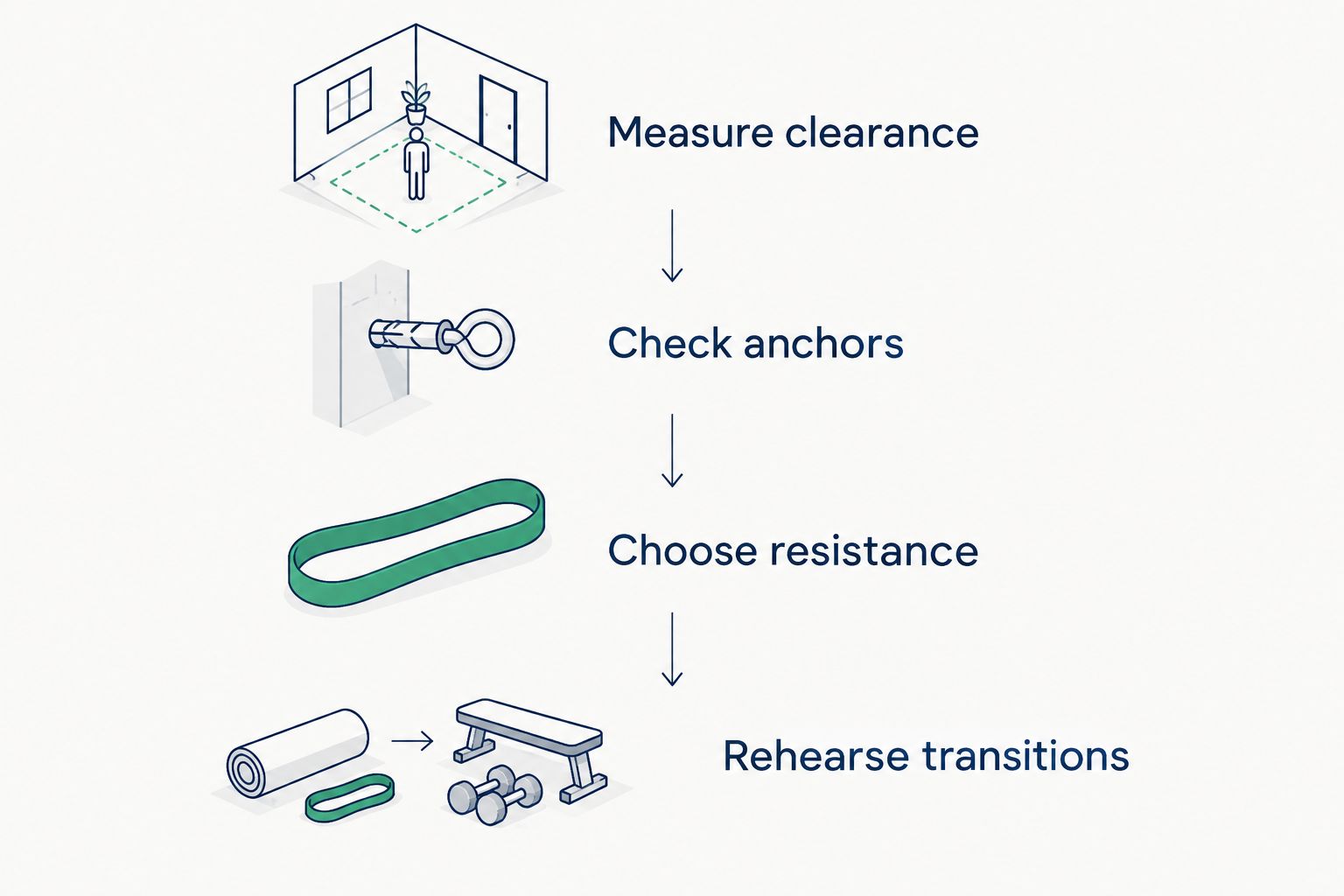
Check the room before you choose the equipment
A small-space home gym needs room to train in, and a bag in the closet doesn't tell you much. A compact system still needs clearance around the bar and the stretched bands, so check your actual workout area first.
Measure clearance
Walk through your planned movements without resistance. Check the full path of your hands and the bar, including overhead. Move furniture and anything fragile out of the way instead of trying to work around it.
Check anchors
Decide which exercises use a self-anchored setup and which need a separate anchor. Follow the manufacturer's installation and use instructions. Don't attach bands to furniture or fixtures just because they look sturdy.
Choose resistance
Start with resistance you can control through the whole movement. Your lower-body and small-muscle exercises don't need the same band. Inspect your bands and attachment points before each workout, and stop using anything that's damaged.
Rehearse transitions
Walk through the switches between exercises before you start. Keep unused bands and accessories out of your training area. A setup you can repeat easily is worth more than extra parts you never use.
How we ranked these picks
We ranked on buying fit: how complete the setup is, usable resistance, exercise coverage, working space, progression and setup requirements. The complete kit ranks first for anyone starting from scratch. The upgrade set only ranks higher if you already own an XBAR.
This guide covers XBAR equipment only. We didn't test competing systems for it, and we stuck to documented product roles and resistance ranges instead of assigning performance scores.
Which variable resistance training equipment should you buy?
If you're undecided and starting with no equipment, get the Complete XBAR Home Gym Kit. It covers the broadest need on this list: a portable system for full-body strength and mobility work.
Get the Resistance Bands System 2.0 Band Set + Accessories when you already own an XBAR and know what you want to add. Get the Light/Medium/Heavy set when resistance options are the gap. Get the Extra Light Resistance Band when you need a lighter option for specific movements.
Match the equipment to the exercises you'll actually repeat. Don't build your order around the biggest resistance number or the longest accessory list.
FAQ
What's the best variable resistance training equipment for a small home?
The Complete XBAR Home Gym Kit for Full-Body Workouts is the default pick for starting a portable home setup. Before you choose a spot to train, make sure there's room for the bar, your body and the stretched bands.
What does variable resistance mean with resistance bands?
It means the resistance changes as you move. Elastic bands pull harder the further they stretch, so your starting position and how far the band extends both affect the exercise.
Should I buy a complete kit or a band upgrade set?
Buy a complete kit if you need the foundation. Buy an upgrade set if you already own an XBAR. The Resistance Bands System 2.0 set includes bands, straps and door anchors, but no bar.
Are resistance band pounds the same as dumbbell pounds?
No. A band's rating doesn't mean you feel that force through every rep. Band tension changes with stretch, while a fixed-weight dumbbell weighs the same the whole time, so the two numbers aren't interchangeable.
Which resistance band should a beginner choose?
Pick a band that lets you move with control through the full range without compensating. The Extra Light Resistance Band has a stated range of 3–15 lb, but the right choice depends on the exercise and your current strength.
Do I need a door anchor for every resistance band exercise?
No. Not every resistance band exercise uses a door anchor. Check the instructions for each movement and use the anchoring method it calls for instead of improvising an attachment point.
Can I use resistance bands if I have joint pain?
Joint pain calls for exercise advice specific to you, and a band label can't tell you what's medically appropriate. Ask a qualified clinician which movements and loads make sense for you. Lighter resistance isn't a treatment.
One last thing
A repeatable setup is part of progress. Before you add resistance, note your band, stance, attachment position and starting stretch. Change any of those and you've changed the exercise, even with the same band.
Plan your first purchase around one complete workout you can do safely in the room you actually have. Add equipment later, when you can name what's missing.