



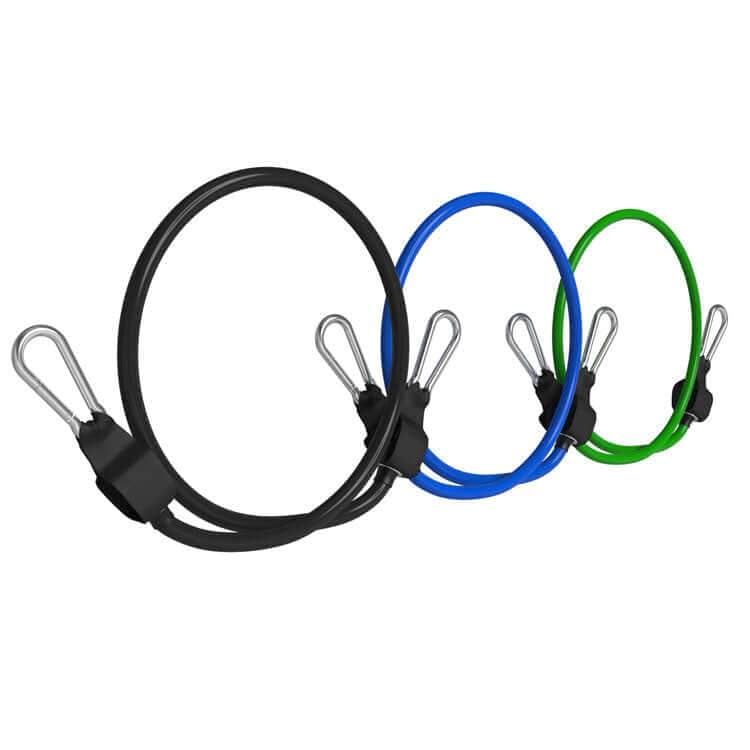
How to Perform Resistance Band Rows With Proper Form
Busy schedules and small apartments kill more workout routines than bad motivation ever does. Add in travel, no gym access, or the cost of a membership, and most people quietly give up on training their back altogether.
A resistance band row solves all of that at once, delivering real upper-back strength from a setup that fits in a bag and takes less than a minute to anchor. No cables, no bulky machine, and nothing left to organize in a garage you never get around to.
This guide covers the target muscles for rows, step-by-step form, common mistakes, useful variations, and simple programming. By the end, you will have a row pattern you can repeat every week, no matter how much space or time you actually have.
What Are Resistance Band Rows?
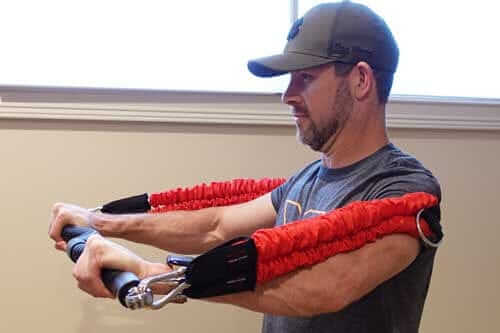
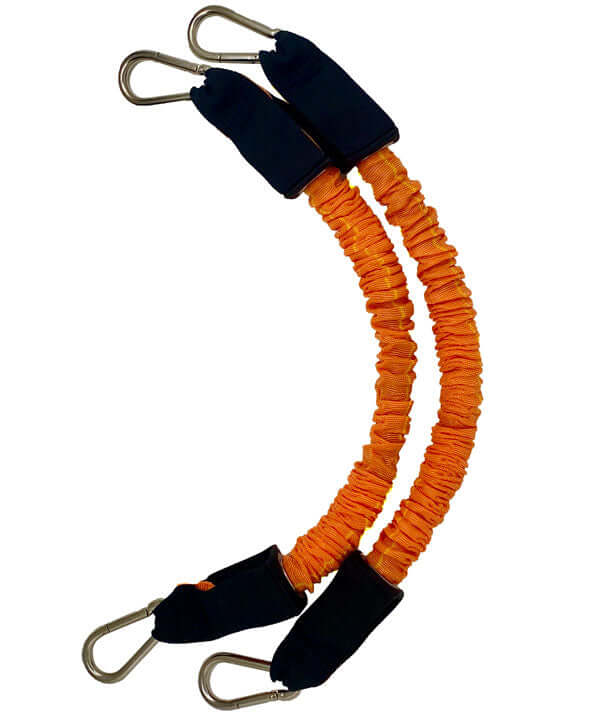
A resistance band row is a horizontal pulling exercise performed with a loop or handled resistance band. You anchor the band, then pull the handles toward your torso while keeping your spine tall and stable.
Rows can be performed in several setups, including seated, standing, and anchored variations against a door or post. Each setup shifts the angle slightly, allowing you to target the upper back from different directions without buying separate equipment for each.
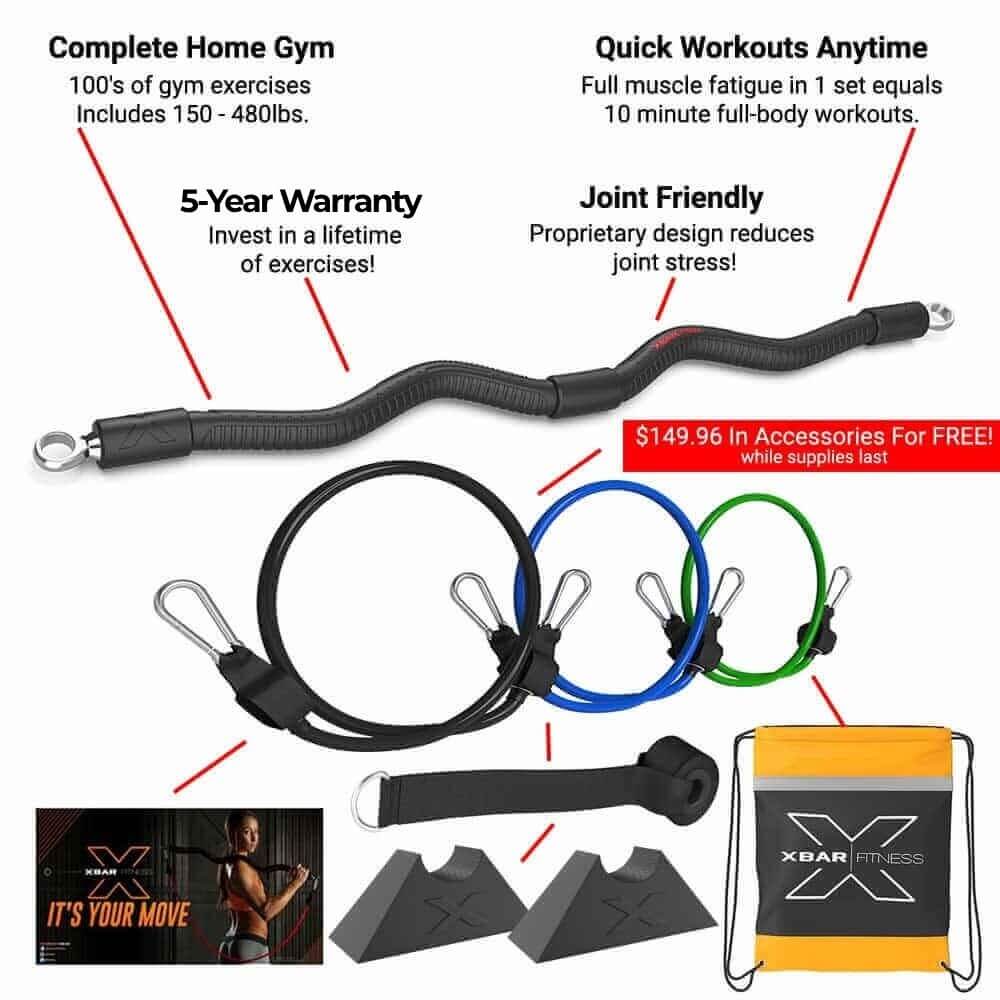
This exercise pairs especially well with portable home workout equipment, since a compact anchor and band cover a full pulling session in a space roughly the size of a yoga mat.
Muscles Worked and Benefits of Resistance Band Rows
Rows build a genuinely balanced upper body, and that balance matters more than most people realize until they skip it. That balance is powered by the muscles below, and the advantages go far beyond the gym.
Muscles Worked
The lats, rhomboids, and traps handle most of the pulling load during a standard row. During each repetition, your core stabilizers prevent your torso from swaying, and your rear delts and biceps provide heavy assistance.
Main Benefits
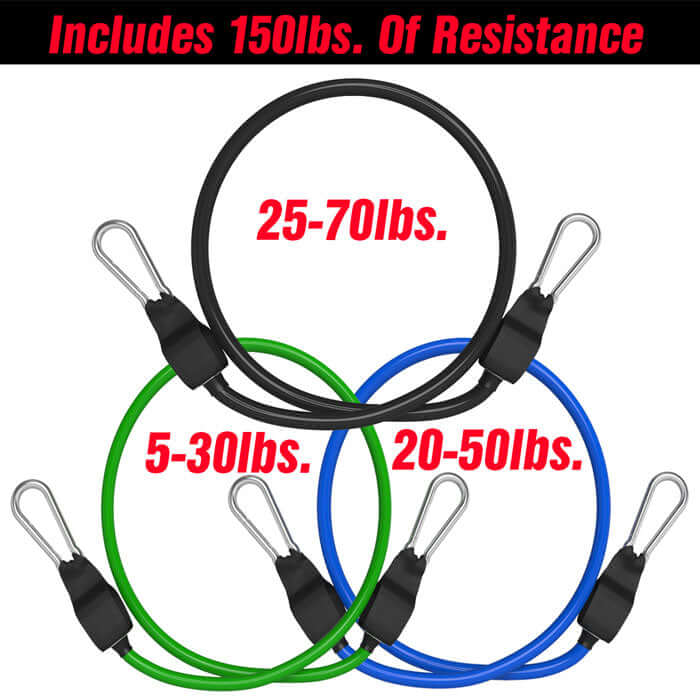
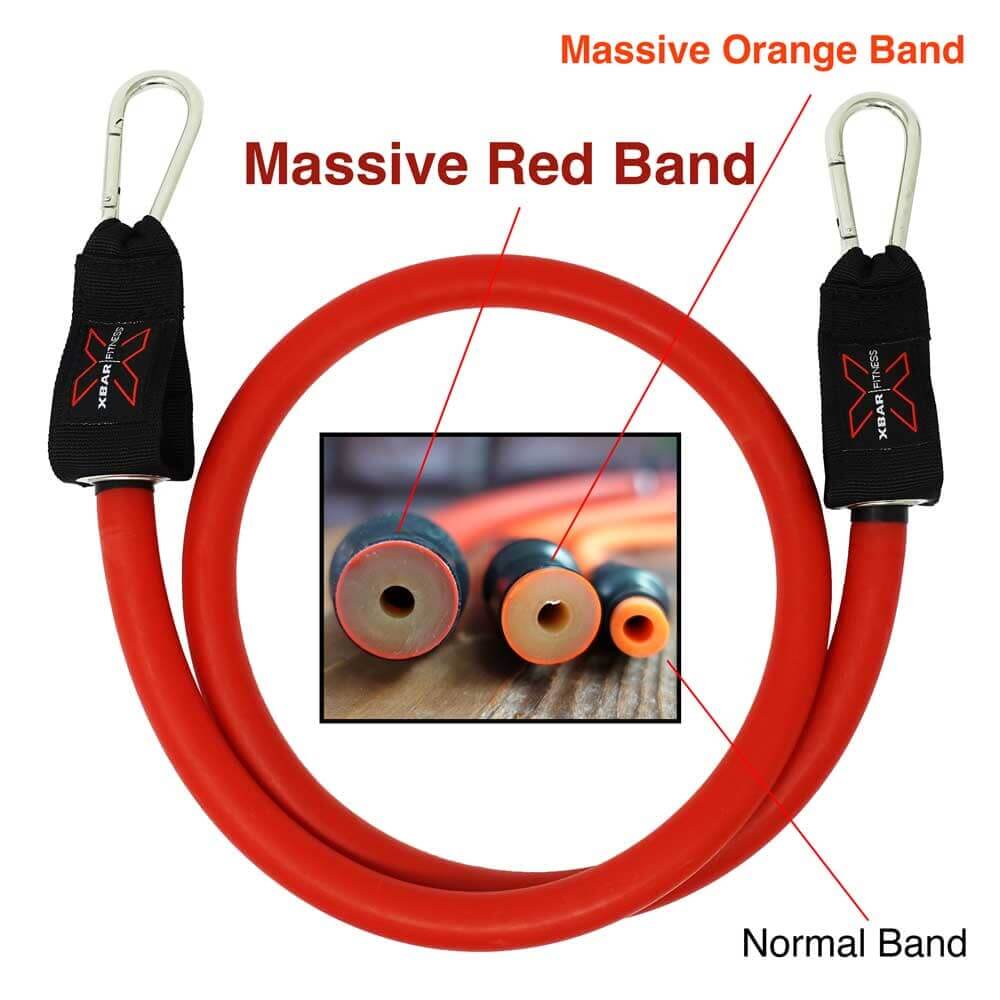
"Portable equipment" means you can train rows at home, in a hotel, or during a lunch break at the office. Adjustable resistance lets a beginner and an advanced lifter use the exact same band, just at different working lengths.
Pulling exercises also support posture and offset the forward-rounded shoulders that come from long hours at a desk.
According to a NIOSH Science Bulletin published by the CDC, more than 1 in 4 working adults experience low back pain.
That figure underscores why balanced pulling strength matters for everyday posture and injury prevention, not just for people who already call themselves lifters.
Rebecca Ditwiler, DPT, is an associate professor at the University of South Florida School of Physical Therapy. She has explained that band resistance increases steadily as the band stretches.
That built-in progression makes rows especially useful for gradually rebuilding strength after time away from training or for anyone who simply wants to start light and build up to heavier resistance over time.
How to Do Resistance Band Rows With Proper Form
Good rowing form comes down to a few key things: a stable anchor, a controlled pull, and steady breathing. Get these right, and everything else will follow.
Setup and Anchor
Secure the band at the chest height on a door anchor for standing rows, or loop it under both feet for seated versions. Either setup should create noticeable tension the moment your arms are extended, and it should take you well under a minute to set up.
Test the anchor with a light tug before fully loading the movement. A loose or poorly secured band can snap back unpredictably, causing an avoidable injury.
Rowing Technique
Keep a tall spine and a braced core throughout the entire movement. Drive your elbows straight back and squeeze your shoulder blades together at the end of each pull.
If you feel the exercise mostly in your arms, reset your shoulders and focus on pulling your elbows back first. That single coaching cue fixes most technique breakdowns almost instantly, even for lifters who have rowed for years.
Breathing and Tempo
Exhale forcefully as you pull the band toward your torso, then inhale as you return to the starting position. Keep the return phase slow and controlled rather than letting the band snap your arms forward.
Instead of merely bouncing the band back and forth, a controlled eccentric phase—about 2 to 3 seconds on the return—builds actual strength.
How Many Reps and Sets Should You Do?
Most lifters get strong results from 3 sets of 10-15 reps, performed 2-3 times a week. Choose a band that makes the final few reps genuinely challenging while maintaining clean form.
|
Goal |
Sets |
Reps |
Rest |
|
General strength |
3-4 |
8-12 |
60-90 sec |
|
Muscular endurance |
2-3 |
15-20 |
30-45 sec |
|
Rehab or beginner |
2 |
12-15 |
60 sec |
How to Progress With Resistance Band Rows
If you find that 15 repetitions is too easy for each set, gradually increase the band tension. You can also slow the tempo, add a pause at peak contraction, or step farther from the anchor for extra stretch.
Rotate between seated, standing, and single-arm rows every few weeks to keep the upper back adapting. Varying the pulling angle slightly changes which fibers do the most work, which keeps training interesting instead of stale.
Common Resistance Band Row Mistakes to Avoid
Even among weightlifters who have been at it for a while, you'll see a few instances of poor form. Both mistakes below quietly shift the work away from your back muscles.
Rounded Shoulders
Rounded shoulders shift tension away from the upper back and toward the front of the shoulder joint. Over time, that pattern can add unnecessary strain to the neck and upper spine.
Excessive Leaning
Leaning back sharply turns the row into a momentum-based swing rather than a controlled pull. Keep your torso upright and let your back muscles, not your body weight, do the actual work.
Resistance Band Row Variations and Progressions
A handful of row variations cover almost every training situation you will encounter. Pick the version that matches your space, equipment, and current skill level.
Seated Band Row
This version works best for beginners or anyone training without a fixed anchor point available. Loop the band around your feet, keep your legs extended, and pull toward your ribs.
Standing Anchored Row
Standing anchored rows closely mimic cable rows and build a genuinely stable standing posture. A door anchor and a sturdy band cover this variation just as effectively as an entire cable machine, at a fraction of the cost and floor space.
Single-Arm Row
Single-arm rows expose side-to-side strength differences that bilateral rows can mask entirely. This version also increases core demand, since your torso has to resist rotation throughout the pull.
How to Add Resistance Band Rows to a Workout
If you want to train your back primarily, do rows first in your session. If you want to train your core and glutes at the same time, do rows with a pressing movement. A simple push-pull structure, alternating a press with a row, helps keep your shoulders healthy over time.
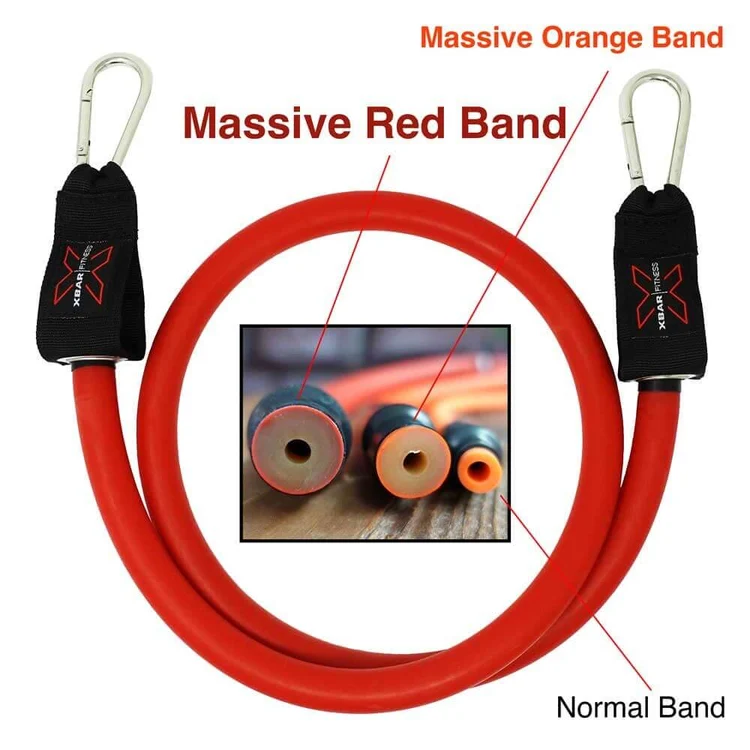
Choosing the right workout resistance bands for this pairing matters more than most lifters expect. A band that is too light limits the pulling side of your training.
A proper set of accessories for resistance bands, including handles and anchors, keeps every row angle stable and repeatable across your entire program.
Pull With Purpose
A well-executed row builds real strength, protects your shoulders, and takes only minutes to set up anywhere you train. Focus on form before load, and steady progress will follow on its own.
Xbar designs every band and anchor point in this guide to support that exact kind of controlled, joint-friendly pulling work, no matter your starting point or your budget.
Frequently Asked Questions
Workout resistance band rows primarily target the lats, rhomboids, and trapezius muscles of the upper back. Rear delts, biceps, and core stabilizers also assist throughout the movement.
Yes, resistance band rows can build real muscle with consistent training and increasing resistance. Progressive overload matters more than the specific tool you use to apply it.
Anchor the band at chest height for most standing row variations against a door or post. For seated rows, loop the band securely around both feet instead.
Choose a band that challenges your final few reps without breaking your form. Beginners typically start with light tension, then increase it every few weeks as strength improves.
Yes, resistance band rows work well for beginners because tension increases gradually and safely. Beginners can start seated without any anchor and progress from there.