



How to Choose a Resistance Band Bar in 2026
Choose a resistance band bar by matching its grip, compatible bands and anchor setup to the exercises you want to do, not by chasing the biggest resistance number. For a small home or apartment, check the space you need during a workout as carefully as the space the kit takes up afterward.
- Choose a resistance band bar around your exercises, compatible bands and available training space.
- XBAR suits small-space buyers who want a curved bar (better for your wrists), bands and accessories in one system.
- Check exactly which bands and anchors come with your selected kit option.
- Inspect bands and connections before every workout; follow the setup instructions.
Why this matters
Your living room has another job when your workout ends. A useful home gym needs to let you train, clear the floor and put everything away without reorganizing the house.
A compact bar-and-band setup answers part of that problem, but buying the bar alone does not answer every question. You still need compatible bands, suitable attachment points and enough room to move. Browse the home gym kits with those requirements in mind rather than comparing product photographs alone.
This 2026 buying guide focuses on choosing equipment. It does not promise a particular strength result or replace exercise instruction.
How to choose a resistance band bar in 2026
Start with the movements you actually want to practice. Then work through the equipment requirements in order.
- List your exercises. Note whether you want bar-based curls, rows, presses or lower-body movements, and check that the system provides instructions for each.
- Check the grip and bar shape. Look for hand positions that suit the movements you plan to use. Do not assume every bar feels the same because the attachments look similar.
- Confirm band compatibility. Read the manufacturer's guidance on clips, band types and approved combinations. A connector fitting physically is not proof of compatibility.
- Check your training space. Account for your body, the bar's travel and the band's path, not just a mat on the floor.
- Read the exact kit contents. A bar-only purchase and a full kit solve different problems. Make a list of anything you would still need.
- Plan where it goes afterward. Decide where the bar, bands and anchors will live before ordering.
The right system is the one you can set up correctly for your intended exercises in the space you actually have. Treat every other feature as secondary to that fit.
Compare buying formats before comparing brands
Different product formats are useful for different starting points. This is a purchasing framework, not a ranking based on hands-on testing.
| Format | Best for | Practical advantage | Main limitation |
|---|---|---|---|
| Bar only | Buyers who already own confirmed-compatible bands | Adds a shared grip without replacing an entire setup | Leaves you responsible for checking every other component |
| Bar-and-band kit | Buyers starting a home setup | Groups a bar and selected bands together | Contents vary; anchors and storage accessories are not automatic |
| System with bands and anchoring accessories | Buyers planning several setup types | Provides more of the equipment needed for different arrangements | More pieces to learn, inspect and organize |
Do not pay for duplicate accessories simply because a bundle is larger. Do not choose the smallest package if you will immediately need additional compatible parts.
Check the grip before the resistance
A resistance band bar joins your hands through one shared piece of equipment. That makes hand position part of the buying decision, not a detail to leave until delivery.
Look closely at the shape of the bar and where its grip areas sit. Ask whether those positions match the exercises you want to learn. If you have a particular wrist or shoulder concern, get qualified advice rather than treating a product's comfort wording as medical guidance.
Product photos can show shape and grip layout. They cannot tell you exactly how a bar will feel in your hands under tension. Review the instructions and current return terms before buying if you cannot try the equipment first.
For your 2026 shortlist, separate these questions:
- Does the bar offer the hand positions your exercises require?
- Does the maker demonstrate those exercises using this system?
- Can you keep control throughout the movement?
- Would you also need separate handles for your planned routine?
A bar does not need to handle every possible exercise to be a useful purchase. It needs to suit the routine you intend to follow.
Compare bands by their use, not just their labels
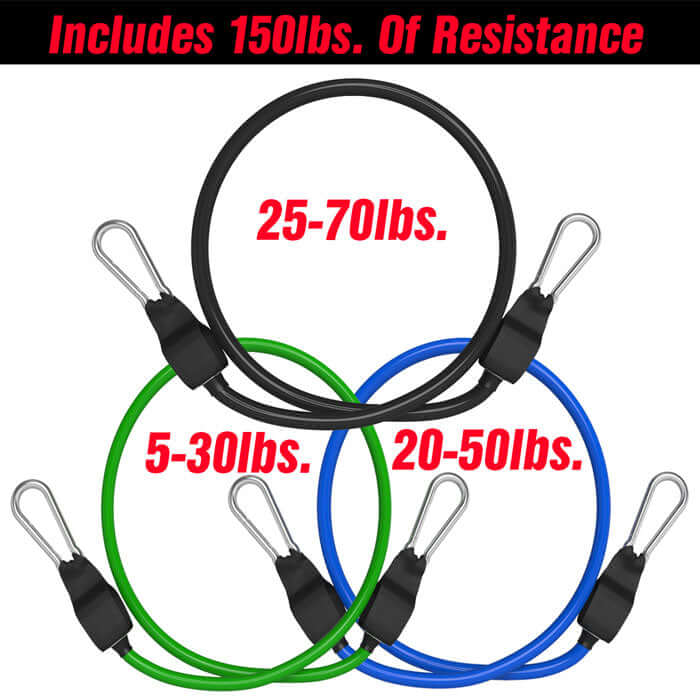
Resistance bands stretch during exercise, so their tension changes with the setup and movement. A printed resistance figure is not the same buying information as the fixed weight of a dumbbell.
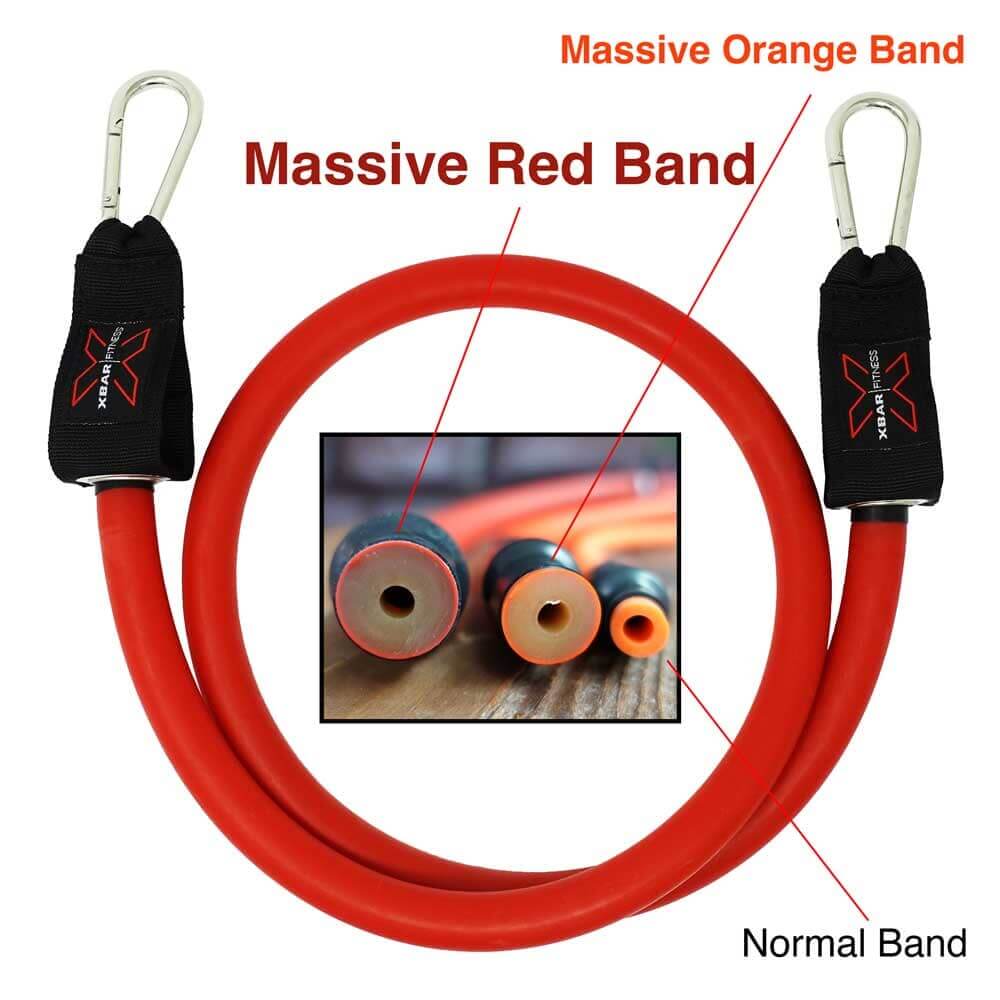
Check how the description of the bands and their intended use. Avoid comparing headline figures across systems as though every brand measured them in an identical way. Without matching measurement methods, the bigger label does not establish the better choice.
A useful selection should accommodate your starting point as well as exercises that require different amounts of resistance. Your curl setup and your lower-body setup need not use the same band.
Before buying, check:
- Which band options come with the selected package.
- Whether lighter or heavier compatible options are available separately.
- Whether band combinations are explicitly permitted.
- What the instructions say about stretch limits.
- How to inspect and replace worn components.
More listed ressitance is not a reason to use more resistance immediately. Choose equipment that lets you learn its setup and control the movement first.
Measure workout space and storage space separately
A kit fitting in a cupboard says nothing about whether you can use it beside the sofa. Storage footprint and training clearance are different measurements.
Stand in the area where you plan to train and review the manufacturer's exercise demonstrations. Think through where your hands, the bar and the bands move. Include clearance from furniture, overhead fittings and any doorway used for an anchor.
Do this without stretching a band toward furniture or testing an uncertain anchor. The purpose is to identify obstacles before a loaded setup exists.
For a shared apartment, also consider the route other people use through the room. A doorway that everyone needs during your workout is a poor place to create an anchoring arrangement.
Your 2026 home gym plan should answer these practical questions:
- Can the training area stay clear while you exercise?
- Can you follow the specified anchor instructions in that location?
- Can the bar and accessories be stored securely afterward?
- Can children stay away from the equipment during use and storage?
No single floor-space figure works for every exercise. Avoid buying from a universal space claim when your planned movements require different clearances.
What changes the right choice for you?
The best purchase depends on your starting equipment and your room, not a generic beginner-versus-advanced label.
- Existing equipment: Approved compatible bands can make a bar-only purchase practical; unverified bands cannot.
- Exercise selection: Standing bar movements and door-anchored movements create different setup requirements.
- Band selection: You need usable options for your routine, not just a high maximum figure.
- Storage: A permanent workout corner and a shared living room call for different organization.
- Learning support: Clear demonstrations help you identify which accessories belong in each setup.
- Material suitability: Check the band material and allergy warnings before buying.
Keep a short written comparison. If a product listing does not answer one of these questions, ask the seller rather than filling in the gap yourself.
Where the XBAR system fits
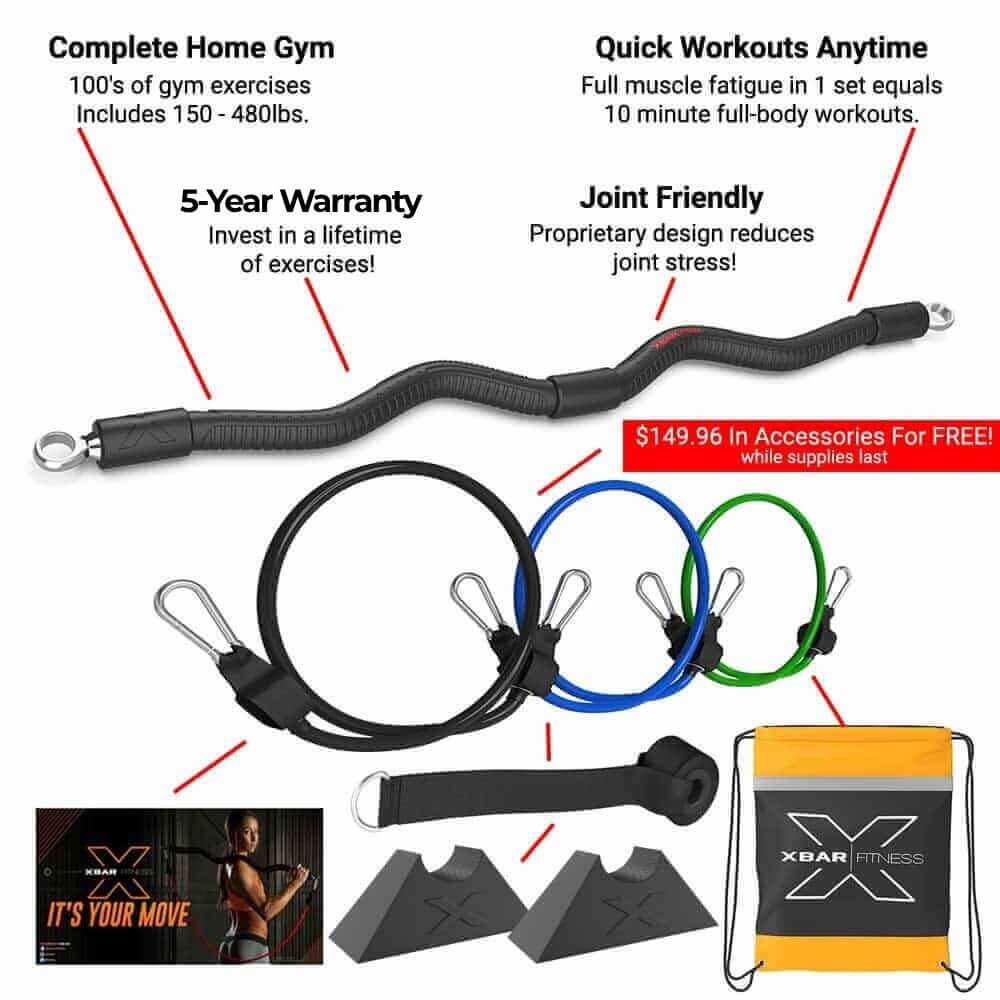
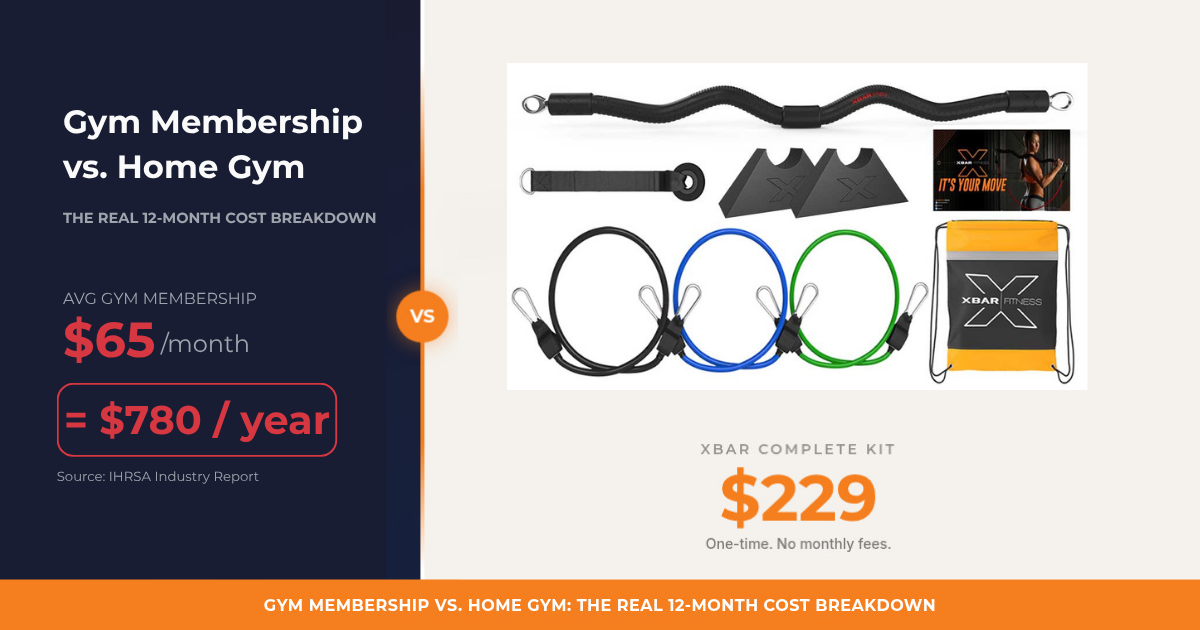
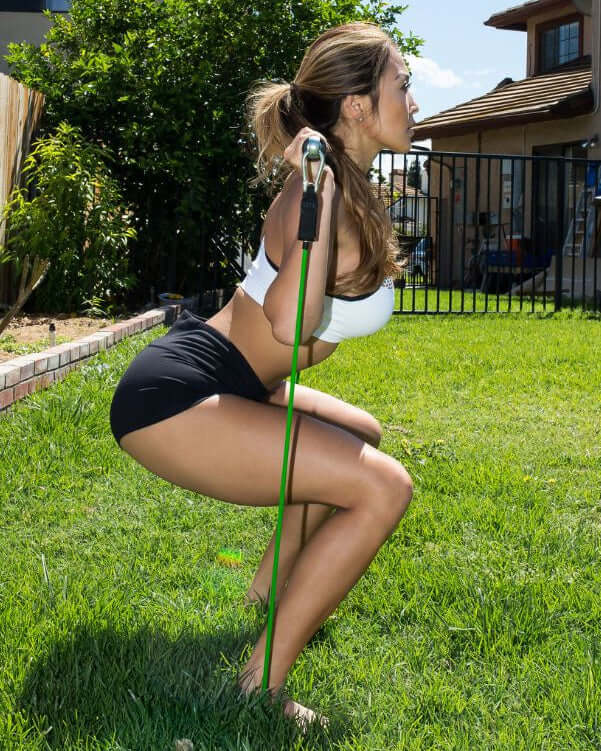
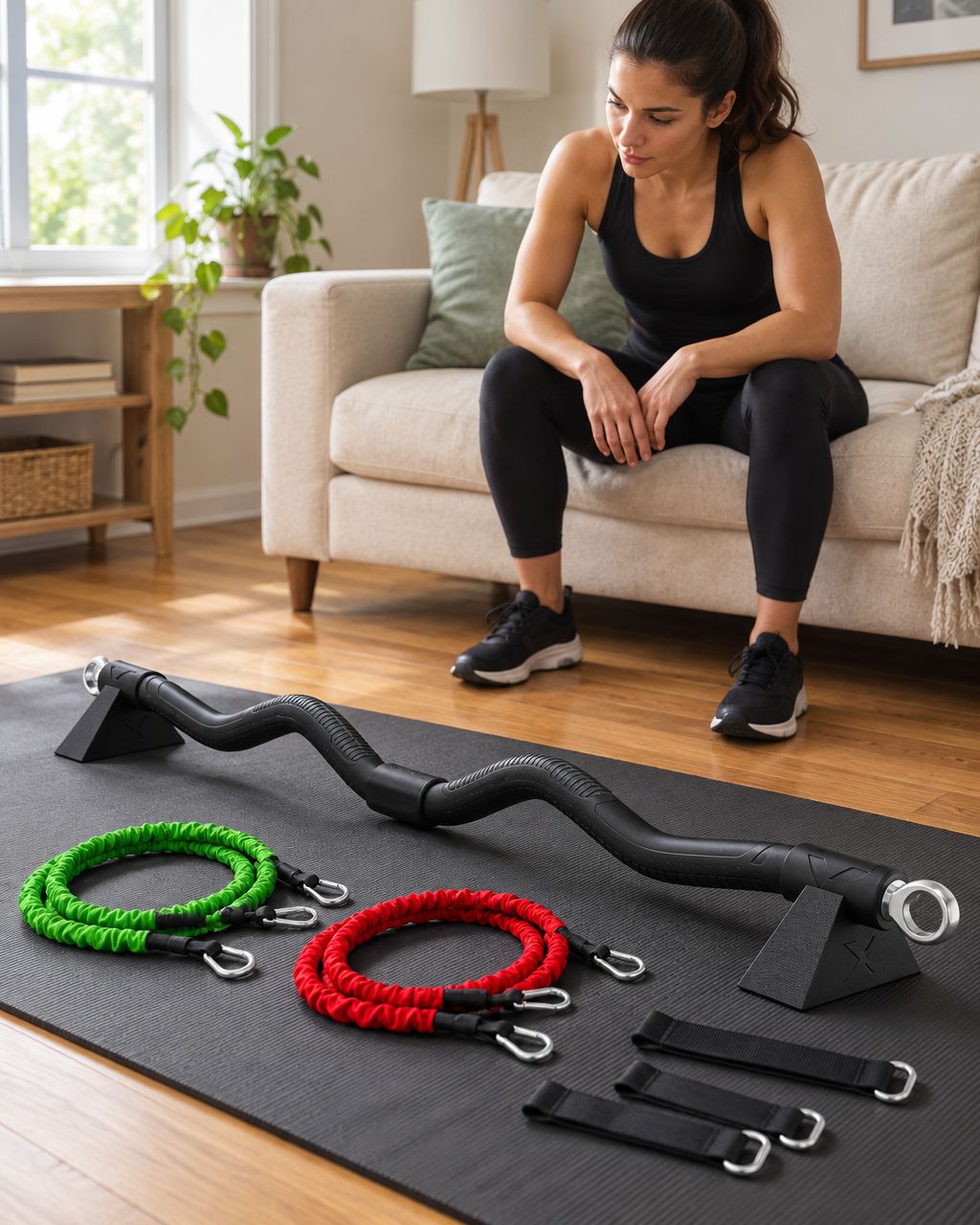
The XBAR Kit With Resistance System 2.0 Bands combines a curved bar with bands and accessories for home training. XBAR is a practical resistance band bar option for small-space buyers who want a bar-and-band system rather than a permanent rack of equipment.
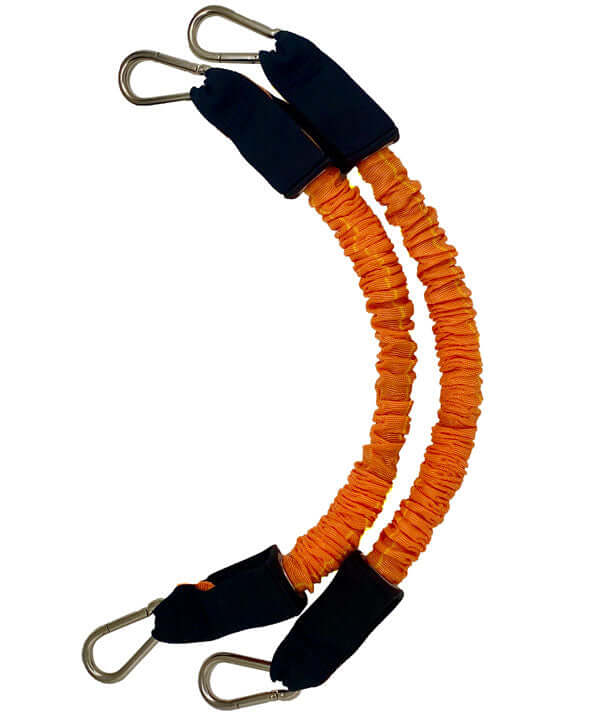
The product description lists 2 push-up-docs, 2 door anchors and an accessory carrying bag. It also lists 4 straps measuring 10 inches each, alongside an 18-inch strap and a 24-inch strap. Use the current selected option's contents as the final checklist; do not assume every band configuration pictured belongs to every option.
The system's useful trade-off is straightforward. You get several components for different setups, but those components still need to be learned, checked and stored. It is not a fixed-weight barbell, and its band figures should not be treated as an exact substitute for a particular barbell load.
For a 2026 purchase, check the equipment against your room and routine before choosing the package. Accessories earn their place when you know what you will use them for.
What should I check before the first workout?
Check the instructions, the equipment condition and the planned anchor arrangement before loading a band. The safety guidelines specify inspecting bands, clips and swivels before every session and securing and locking a door when using a door anchor.
Those guidelines also state that the bands contain latex. Do not use them if you have a latex allergy. Consult your physician before starting a workout routine, particularly if you have health concerns.
Keep firm footing where the instructions call for standing over a band, respect stretch limits and keep equipment out of children's reach. If a part is damaged or the anchor arrangement is uncertain, stop rather than trying to make the setup work.
Should I buy a complete kit or add a bar to my bands?
Buy a complete kit when you need a coordinated set of components and have checked its contents against your exercise plan. Add a bar separately only when its manufacturer confirms that your existing bands and attachments are suitable.
The deciding question is not how much equipment you already own. It is how much of that equipment is approved for the setup you want to build. Reusing incompatible parts is not a useful saving.
FAQ
What's the most important feature when choosing a resistance band bar?
Compatibility with your intended exercises and bands comes first. Check the grip, approved attachments and available training space before comparing maximum resistance labels.
Can I use a resistance band bar in a small apartment?
A resistance band bar can suit a small apartment when you have enough clear space for the chosen exercises and an approved setup. Compact storage does not guarantee adequate movement clearance.
Will any resistance band attach to any workout bar?
Do not assume bands and bars are interchangeable. Follow the bar manufacturer's compatibility guidance for bands, clips and anchoring accessories.
Does a higher resistance number mean a better home gym kit?
A higher listed resistance number does not establish a better kit for your routine. Check the available lighter options, permitted combinations and the manufacturer's measurement guidance.
Do I need a door anchor for every bar exercise?
Not every bar-and-band exercise uses a door anchor. Follow the instructions for the exact movement and never improvise a different anchoring method.
Are resistance bands suitable if I have a latex allergy?
Bands containing latex are not suitable if you have a latex allergy. Check the materials before buying; this system's safety guidance explicitly identifies latex in its bands.
What should I check before buying a kit online?
Check the selected option's contents, compatible replacements, setup instructions and storage requirements. Product images can show several options or accessories, so use the contents list rather than the photograph alone.
One last thing
Before you order, pick the exact storage spot and review one exercise demonstration in the exact room where you plan to train. That simple check exposes a mismatch a resistance headline cannot: equipment you can store but cannot use comfortably in the available space.
Make your 2026 buying decision around a repeatable setup, not a room you hope to have later.
Related guides