



Lower Body Muscle Groups: Anatomy and Best Exercises for Strength
When we think about building strength, our legs often don’t get the credit they deserve. Yet, the muscles in your lower body are some of the strongest and most important for nearly every movement you do, from standing up to sprinting.
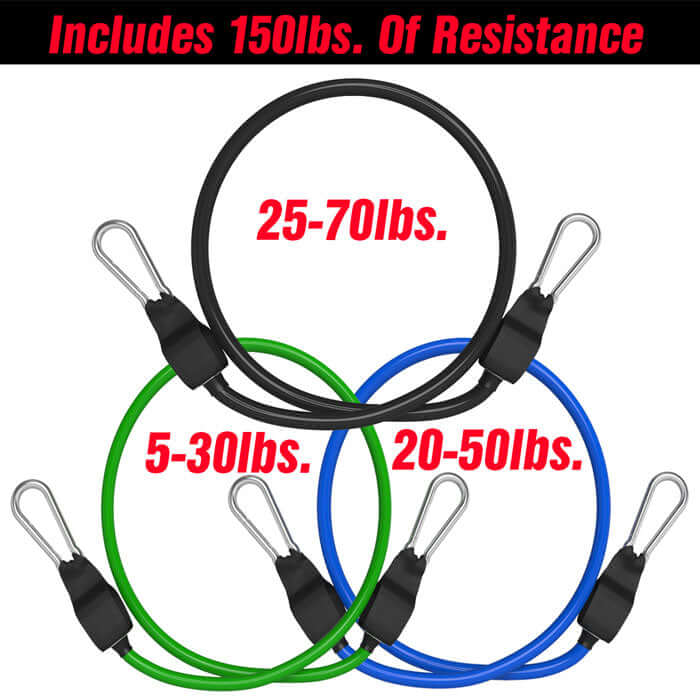
Understanding these muscle groups and how they work together can change the way you train and help you avoid common injuries. Let’s dive into what makes your lower body tick and discover exercises that really make your legs stronger and more balanced with XBAR.
The primary lower body muscle groups include the quadriceps, hamstrings, gluteal muscles, adductors, calves, and smaller stabilizing muscles. These muscle groups work together to facilitate movements such as leg extension and flexion, hip adduction and abduction, foot dorsiflexion and plantar flexion, making them essential for activities like walking, running, squatting, and jumping.
Overview of Lower Body Muscle Groups
At its core, the lower body is a finely tuned machine made up of several major muscle groups working together seamlessly. The quadriceps, grouped at the front of your thigh, are your primary leg extenders—think of them as the powerhouse behind straightening your knee every time you stand up from a chair or push off during a run. These four muscles not only extend your knee but also assist in hip flexion, showcasing their dual role in movement.
Opposite the quadriceps are the hamstrings running down the back of your thigh. Their job is just as critical: they bend your knees and help propel your hips backward when you walk or sprint. They work in symphony with the quadriceps, acting as “antagonists,” meaning they perform opposing actions to balance movement and control.
Moving down to the gluteal muscles situated in your buttocks, you encounter some of the largest and most powerful muscles in the body. The gluteus maximus alone is packed with fast-twitch fibers making it excellent for explosive movements like jumping and sprinting.
But the glutes aren’t just about power—they stabilize your pelvis, support posture, and enable lateral (sideways) movement through hip abduction and rotation. They’re involved whenever you climb stairs or rise from a squat, playing a pivotal role in everyday function and athletic performance.
Inside your inner thighs lie the adductors, a group of muscles tasked with pulling your legs toward the body’s midline. These muscles might be less celebrated than quads or glutes, but they’re vital for stability and balance during walking, running, or any movement requiring leg control.
Weakness here can lead to compensations elsewhere, often causing awkward gait patterns or joint discomfort.
Finally, at the back of your lower leg are the calf muscles, primarily the gastrocnemius and soleus. These muscles drive plantar flexion—pointing your toes down—which is essential whether you’re pushing off during a run or simply standing on tiptoes.
Complementing these are smaller muscles like the tibialis anterior which dorsiflexes (lifts) your foot, providing crucial ankle stability and allowing smooth heel-to-toe walking.
The interplay between these muscles allows fluid movement across multiple joints:
|
Muscle Group |
Primary Actions |
Key Functions |
|
Quadriceps |
Knee extension & hip flexion |
Straightens knee; assists hip flexion |
|
Hamstrings |
Knee flexion & hip extension |
Bends knee; extends hip |
|
Glutes |
Hip extension, abduction & external rotation |
Power, stability, lateral movement |
|
Adductors |
Leg adduction & pelvic stability |
Pulls legs inward; balances gait |
|
Calves |
Ankle plantarflexion (gastrocnemius & soleus) |
Push-off power; tiptoe support |
Understanding this anatomy isn’t just academic; it guides how you approach training for strength, endurance, or rehabilitation. Targeting specific groups helps avoid muscular imbalances that often cause injury or pain.
For example, focusing too much on quadriceps without balancing hamstring strength can stress the knee joint. Likewise, neglecting glute activation can impair hip stability and place extra strain on lower back and knees.
Having outlined these key players in lower body mechanics, we now shift focus to explore detailed anatomy of thigh muscles — uncovering how their structure supports both mobility and strength demands.
Anatomy of Thigh Muscles
The thigh harbors some of the largest, most powerful muscles in the human body, essential for everyday movements like walking, standing, and jumping. At the forefront is the quadriceps femoris group—a collective of four muscles forming the bulk of the front thigh. These include the rectus femoris, vastus lateralis, vastus medialis, and vastus intermedius.
Their primary role is extending the knee, allowing you to straighten your leg with power and precision. Notably, the rectus femoris also crosses the hip joint, giving it a dual function: it helps flex the hip in addition to extending the knee. This interplay makes it invaluable for motions such as kicking or climbing stairs.
In contrast, while the quadriceps work hard to straighten your leg, an equally important group pulls in the opposite direction.
Located at the back of your thigh are the hamstrings, consisting of three key muscles: biceps femoris (long and short heads), semitendinosus, and semimembranosus. These muscles are pivotal for flexing your knee—bending your leg—and extending your hip by moving your leg backward.
The hamstrings engage heavily when you run, jump, or walk uphill. Because they cross both the hip and knee joints, they play a stabilizing role during complex activities that require knee bending and hip extension simultaneously.
Beyond those two main muscle groups lies another set critical for both movement and stability of the thigh—the gluteal muscles.
The gluteal group, mainly composed of gluteus maximus, medius, and minimus, sits on the outer surface of your pelvis but profoundly impacts thigh motion. They primarily abduct (move away from midline) and rotate the thigh but also contribute heavily to hip extension and overall lower body power.
Among them, gluteus maximus stands out as one of the strongest muscles in the body—powering activities requiring explosive force like climbing or sprinting.
Understanding how these groups interact provides insight into why certain exercises work better than others to develop balanced lower body strength. For example, squats engage both quads and glutes by combining knee extension with hip extension, while lunges challenge hamstrings alongside balance and coordination.
|
Muscle Group |
Major Muscles |
Primary Functions |
Origin & Insertion Highlights |
|
Quadriceps |
Rectus femoris, vastus lateralis, vastus medialis, |
|
|
|
vastus intermedius |
Knee extension; hip flexion (rectus femoris) |
Origins: Ilium & femur; |
|
|
Insertions: Tibial tuberosity |
|
|
|
|
Hamstrings |
Biceps femoris (long/short heads), semitendinosus, |
|
|
|
semimembranosus |
Knee flexion; hip extension |
Origins: Ischial tuberosity/femur; |
|
|
Insertions: tibia/fibula |
|
|
|
|
Gluteal |
Gluteus maximus, medius, minimus |
Hip extension, abduction & rotation |
Origins: Ilium; |
|
Insertions: femur |
|
|
|
When targeting these thigh muscles through exercise or rehabilitation programs, consider their origin-to-insertion pathways. Exercises like squats or deadlifts engage multiple muscle groups simultaneously due to this connectivity.
Isolation moves such as leg extensions for quadriceps or leg curls for hamstrings target weaker areas but should be balanced with functional compound movements for optimal results.
These muscles do not function alone; they rely on synergists like adductors and stabilizers around the hip to coordinate refined movements smoothly. This integrated system means strengthening one muscle group benefits overall mobility and reduces injury risk.
With a clear map of thigh anatomy now established, focusing on specific functional roles within these muscle groups will reveal where true power originates next.
Role of Gluteal Muscles
The gluteal muscles, often called the powerhouse of the lower body, play a pivotal role beyond just aesthetics—they are fundamental for movement, stability, and overall posture. The trio—gluteus maximus, medius, and minimus—each serve distinct but complementary functions that enable powerful hip extension, balance, and pelvic control.
The gluteus maximus stands out as the largest muscle in the human body, engineered for forceful and explosive movements. It drives hip extension—the action you perform when rising from a squat or pushing off during running—and also assists in rotating the thigh outward and moving the leg sideways (abduction).
This muscle’s ability to generate high force output is why exercises like hip thrusts and deadlifts heavily activate it; these movements tap its predominantly fast-twitch fibers designed for power. Strengthening this muscle isn’t just about raw strength—it directly influences athletic performance and daily activities that require powerful hip movement.
Meanwhile, the gluteus medius and minimus lie deeper and smaller but are no less crucial. These muscles mostly handle hip abduction and internal rotation. However, their most vital role is pelvic stabilization during activities where one leg bears weight—like walking, running, or balancing on one foot.
Without strong gluteus medius and minimus muscles, the pelvis can tilt or drop during gait, leading to compensation patterns that may cause pain or injury down the chain—in the knees or lower back. Their composition leans toward endurance-oriented fibers that keep them engaged steadily to maintain alignment and posture over time.
Because these muscles serve multiple purposes—from generating power to providing stability—targeted strengthening strategies must reflect this dual nature.
Training programs that focus solely on building bulk in the gluteus maximus might miss key aspects of functional movement if they neglect the medius and minimus. Exercises like lateral band walks and single-leg squats are excellent for activating the smaller stabilizing muscles because they simulate real-world demands where balance and control matter most.
Conversely, hip thrusts and heavy squats develop maximum force in the gluteus maximus but should be balanced with mobility and control work. Understanding this balance can guide exercise selection for different goals: whether improving athletic explosiveness, preventing injuries caused by poor pelvic control, or simply enhancing everyday mobility.
The interplay between these three muscles illustrates how complex lower body function really is—even muscles we often take for granted underpin much of our movement quality and efficiency.
“Strong glutes aren’t just about shape; they’re about safety, performance, and longevity.”
Appreciating the unique yet interconnected roles of each gluteal muscle allows one to craft holistic workouts that embrace strength, endurance, and stability—all key ingredients for a resilient lower body.
Having examined these foundational muscles, it's important next to explore training methods that maximize their potential through effective practice and technique adjustments.
Effective Training Techniques
The key to strengthening your lower body lies not just in moving weights, but in how you strategically approach your workouts. Progressive overload is the cornerstone here—gradually upping the resistance challenges your muscles in new ways, forcing them to adapt and grow stronger. Imagine lifting the same weight week after week; eventually, your muscles stop responding because they’re used to the load. Instead, by adding weight in small increments or increasing repetitions thoughtfully, you keep pushing your limits without risking injury.
For example, if you start squatting with 50 pounds for eight reps, aim to increase either the weight or reps slightly within a week or two. This slow progression taps into your body’s natural growth process and avoids plateaus that often stall progress.
Another critical aspect is specificity—your training should align with the functional demands of your daily life or sport. Athletes who sprint frequently will benefit more from explosive movements like lunges or step-ups which mirror their running mechanics, rather than simply piling on heavy squats that focus on raw power alone. This targeted approach ensures that your legs develop strength where it counts most.
With these principles in mind, selecting exercises that hit multiple muscle groups while addressing mobility can yield both size and real-world performance gains.
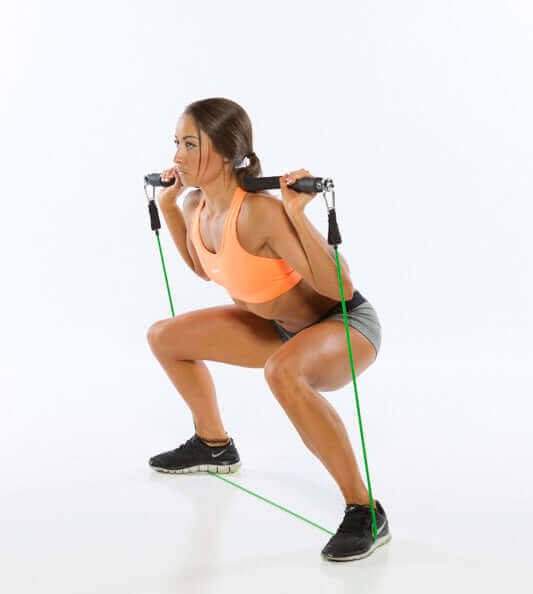
Squats deserve special mention: they remain the king of lower body exercises because they recruit glutes, hamstrings, quadriceps, calves, and even core muscles simultaneously. However, quality counts more than quantity. Proper squat form preserves joints and maximizes muscle activation. Start light, master technique, then add weight progressively.
It's also valuable to incorporate hamstring-focused work into your routine since many neglect this vital group. According to experts like David Otey (C.S.C.S.) and Brett Williams (NASM), hamstrings improve not just aesthetics but crucial athletic qualities such as sprinting speed and injury prevention. Exercises like Romanian deadlifts or hamstring curls work wonders when done consistently.
Beyond pure strength training, blending mobility and flexibility routines keeps your lower body healthy over time. Tight muscles limit movement patterns, reducing exercise effectiveness and raising injury risk. Stretching post-workout or incorporating yoga-based sessions aids recovery and improves functional range.
Finally, balance is everything. Overemphasizing one muscle group can lead to imbalances hurting overall performance long term. Designing a program with compound movements paired alongside isolated exercises creates harmony throughout the lower body anatomy — glutes get their turn alongside hamstrings and calves so no one gets left behind.
“Strong legs aren’t just about size—they’re about powerful movement and lasting durability.”
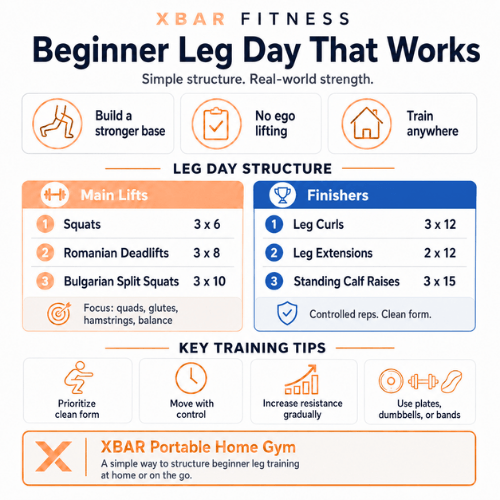
In practice: start with squats for foundation strength; add lunges or step-ups tailored to your activity; sprinkle hamstring curls and calf raises for detail work; finish off days with mobility drills focusing on hips and ankles.
|
Training Principle |
What It Means |
Example Application |
|
Progressive Overload |
Increase challenge gradually |
Add weight incrementally weekly |
|
Specificity |
Train for actual movement needs |
Runners use lunges over heavy squats |
|
Balance |
Target all lower body muscles evenly |
Combine compound plus isolation exercises |
|
Mobility & Flexibility |
Maintain healthy range of motion |
Stretching post-workout |
Applying these training techniques sets the stage for carefully chosen exercises that build true strength and resilience. Next, we focus on essential moves designed to maximize power and performance across the lower body.
Key Exercises for Strength Building

Among the myriad of movements available, a few stand out because they engage multiple muscle groups simultaneously and offer the greatest return on your effort. Squats, for example, have long been revered as the cornerstone of lower body strength training.
This is not just folklore—scientific studies confirm that squats activate essential muscles such as the quadriceps, hamstrings, and gluteus maximus in powerful ways.
What makes squats so effective is their ability to mimic real-world movements while improving balance and stability. Whether you’re performing a traditional back squat or a front squat that challenges your upper back as well, you’re working a complex web of muscles that contribute to both athleticism and functional power.
Variations like the Bulgarian split squat introduce an element of balance and core engagement that can be transformative for those looking to sculpt their legs with precision.
These single-leg movements help correct muscular imbalances by requiring one side to bear more weight independently, forcing smaller stabilizer muscles into action.
For anyone serious about strength training, simply sticking to one form of squat isn’t enough. Rotating through variations ensures comprehensive development and lessens the risk of overuse injuries.
Another powerhouse in the lower body arsenal is the deadlift, an exercise that champions posterior chain development and overall functional strength.
Deadlifts engage your glutes, hamstrings, lower back, and core with a compound motion that translates directly into improved posture and athletic performance. However, it’s essential to respect the technical demands of deadlifting; improper form can easily lead to injury.
The beauty of deadlifts lies in how they complement squats—while squats emphasize pushing motions and knee drive, deadlifts focus on hip hinge mechanics and pulling power. The combination effectively trains the kinetic chain from different angles.
To master these lifts safely and build strength optimally, prioritize learning proper technique over lifting heavier weights initially. Think of form as the foundation: without it, all else crumbles.
Once confident, progressively increasing resistance aligns well with muscle adaptation principles known to stimulate growth in both size and power.
Here’s a quick comparison highlighting how these key exercises target muscle groups:
|
Exercise |
Primary Muscle Group |
Secondary Muscle Groups |
|
Back Squat |
Quadriceps |
Hamstrings, Glutes |
|
Front Squat |
Quadriceps |
Upper Back |
|
Bulgarian Split Squat |
Quadriceps, Glutes |
Balance and Core |
|
Deadlift |
Glutes, Hamstrings |
Lower Back, Core |
For balanced lower body development, implementing a mix of these exercises within your routine is crucial.
Focusing solely on one muscle group neglects others equally vital for strength and mobility. Certified coaches frequently advise integrating squats and deadlifts with accessory movements targeting smaller muscles like the calves or deeper glute medius for comprehensive results.
Understanding these essential exercises provides a roadmap — but effective programming tailors them thoughtfully into your weekly workouts to maximize gains while mitigating injury risks.
Structured Lower Body Workouts

Structuring a lower body workout isn’t just about picking exercises—it’s about thoughtfully combining them to address all important muscle groups while giving your body time to recover and adapt. The goal is to create a balanced schedule that improves strength, power, endurance, and flexibility without overtaxing your muscles or joints.
Consider dividing your workouts across several days with distinct focuses. Start your week with strength-centered training like squats and deadlifts, which engage large muscle groups such as the quadriceps, glutes, hamstrings, and calves. These compound lifts demand significant effort and recovery time but deliver the greatest returns in raw power and muscle growth.
For example, hitting 4 sets of 6–8 reps on squats challenges your quads and glutes effectively while teaching movement patterns fundamental to everyday function.
After a day or two of heavy lifting, switch gears to high-intensity interval training (HIIT) targeting explosive power and cardiovascular fitness. Exercises like jump squats or box jumps not only build muscular endurance but also improve your fast-twitch fibers—the ones responsible for quick bursts of strength and speed. Alternating lunges complement this by focusing on unilateral balance and hip stability often overlooked in straight-line lifts.
Finally, dedicate a session to flexibility and mobility work. Hip flexor stretches, hamstring openings, and glute bridges might seem low-key compared to the other sessions, but they’re critical for maintaining joint health and preventing injury. Tight hip flexors or fatigued hamstrings can sabotage even the best strength gains if left unaddressed. These movements help restore range of motion and activate smaller stabilizing muscles that support larger groups under load.
|
Day |
Focus |
Sample Exercises |
Primary Benefits |
|
Day 1 |
Strength |
Squats, Deadlifts, Calf Raises |
Maximal force; muscle hypertrophy |
|
Day 2 |
HIIT & Power |
Jump Squats, Box Jumps, Alternating Lunges |
Explosiveness; cardiovascular fitness |
|
Day 3 |
Flexibility & Mobility |
Hip Flexor Stretches, Hamstring Stretches, Glute Bridges |
Injury prevention; range of motion |
Be mindful to include rest or active recovery days between intense sessions—muscle repair and adaptation happen outside the gym. Without sufficient rest, performance plateaus or injury risks increase dramatically.
This approach promotes consistent progress by addressing different training demands rather than concentrating all effort in one domain. It also mimics how athletes train for comprehensive lower body development: strength under heavy loads, power during dynamic moves, and flexibility for sustained performance.
Many people trying to improve their leg strength get stuck doing only squats or lunges repeatedly without mixing intensities or focusing on recovery—which often ends in frustration or injury. A well-rounded plan avoids these pitfalls by weaving together complementary elements strategically.
With a solid structure in place that balances exertion and recovery across multiple training modalities, you set yourself up not just for stronger legs but also for sustainable long-term results.
Building a powerful lower body requires more than isolated efforts; it demands a carefully balanced workout routine that addresses every facet of muscle function and you will do that with XBAR's home gym. Embracing variety and respecting rest will maximize your gains while safeguarding against injury.