


Leg Day Workout Routine for Beginners: Muscle Building Exercises
Leg day has a reputation for being brutal, but it doesn’t have to wreck you to work. When you train your legs the right way, you’re not just chasing bigger quads, you’re building a stronger base for everything you do: standing, walking, carrying, climbing stairs, even getting up off the floor without groaning.
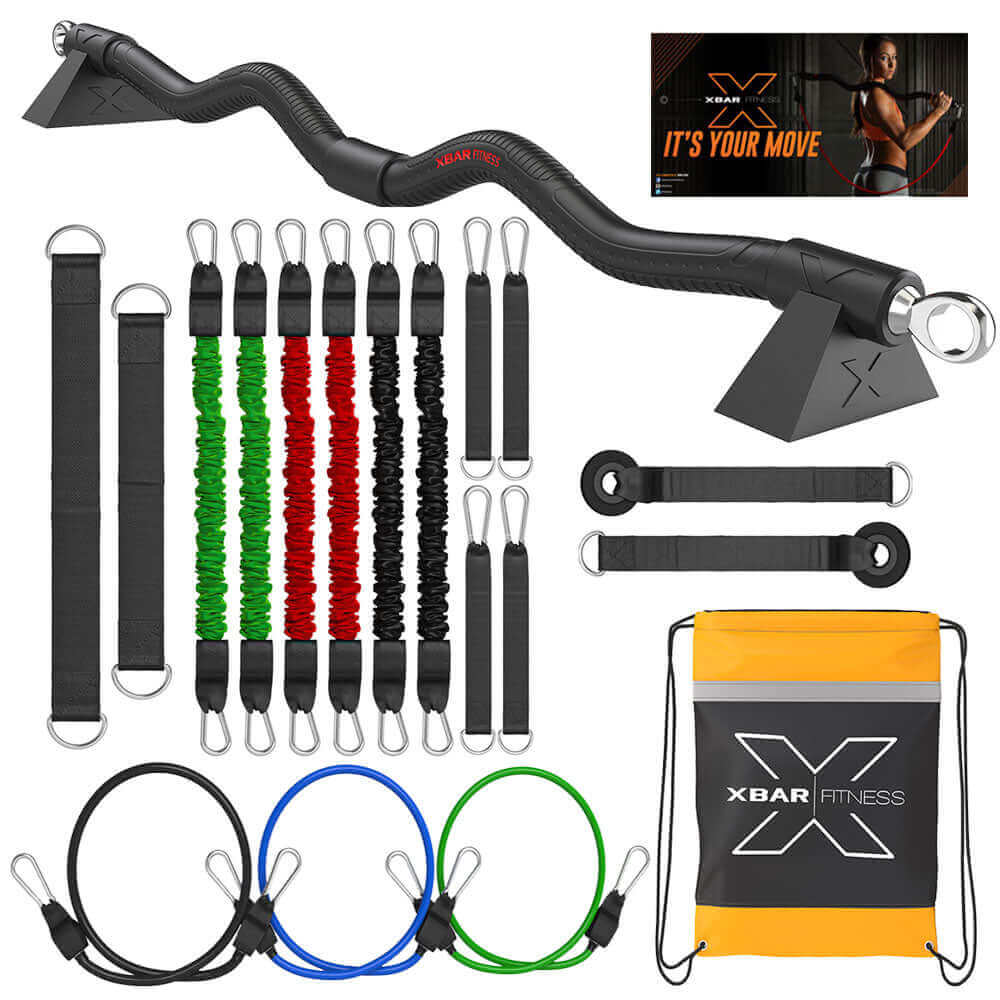
This guide walks you through a simple, beginner-friendly leg workout structure. No ego lifting, no “crush yourself or go home” mentality—just smart training that builds real-world strength you can feel in your everyday life. Simple plug: the XBAR Portable Home Gym, allow for just this kind of structure, and you can do use it anywhere.
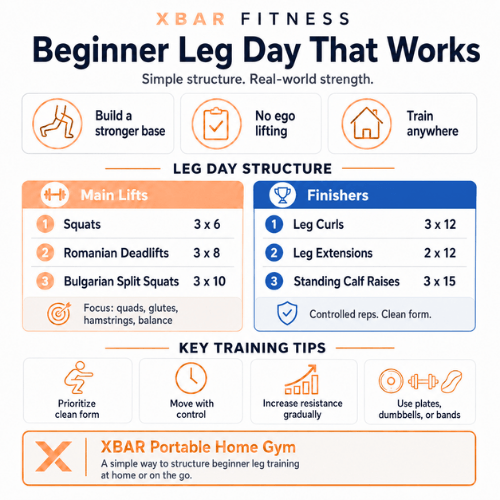
An effective beginner leg day might look like this: squats (3 sets of 6 reps) to hit quads, glutes, and adductors; Romanian deadlifts (3 sets of 8 reps) to focus on hamstrings and glutes; Bulgarian split squats (3 sets of 10 reps) for single-leg strength and balance; plus isolation moves like leg curls (3 sets of 12 reps), leg extensions (2 sets of 12 reps), and standing calf raises (3 sets of 15 reps). Prioritize clean form, controlled movement, and gradually increasing resistance—whether that’s plates, dumbbells, or resistance bands like the XBAR system—for long-term strength and muscle gains.
Structuring the Perfect Leg Day
A good leg workout doesn’t happen by accident. You want to hit your major lower-body muscle groups: quads, hamstrings, glutes, adductors, and calves.
That’s where structure comes in. The backbone of a smart leg session is compound movements like squats or Romanian deadlifts. These “big rock” exercises work multiple muscle groups at once, build strength fast, and carry over into everyday life: getting out of a chair, picking up groceries, climbing stairs, and more.
Starting with compound lifts makes sense because they require the most energy, focus, and coordination. A squat, for example, asks your quads to extend the knee, your glutes and hamstrings to drive hip extension, and your adductors to keep everything stable. You want to do that kind of work when you’re fresh, not when you’re already wiped.
Once the big lifts are done, you move into isolation work—things like leg extensions, leg curls, or banded glute work. These target specific muscles more directly and let you “finish” them without the same full-body fatigue. Think of compounds as your main meal and isolations as precision seasoning.
Choosing exercises is step one. The order you put them in is what turns a random workout into a results-driven plan.
Planning the Routine
Think of your leg workout like a story: it should have a clear beginning, middle, and end.
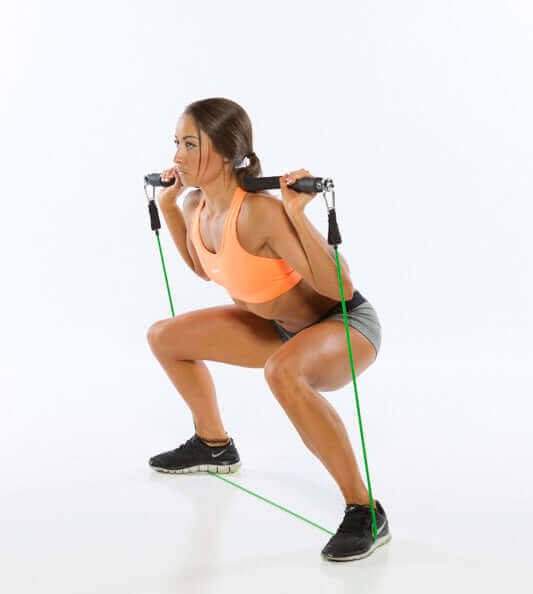
Start with your main compound lift. For most people, that’s a squat pattern—barbell squat, goblet squat, or a resistance-band squat using the XBAR Portable Home Gym. This heavily recruits quads, glutes, and core.
Next, hit the posterior chain. Romanian deadlifts (barbell, dumbbell, or banded with XBAR) strengthen hamstrings and glutes and balance out all that front-side work from squats.
Then, bring in unilateral work. Lunges or Bulgarian split squats challenge balance, coordination, and single-leg strength. These help iron out left-right imbalances that eventually show up as plateaus or aches.
After that, move to isolation work. Leg extensions for quads, leg curls for hamstrings, calf raises for lower legs. These exercises let you put the spotlight on specific muscles without needing huge loads.
By alternating heavy compound moves and more focused isolations, you spread volume intelligently, reduce overload on your joints, and keep your nervous system from burning out halfway through the workout.
Sequencing Exercises
Order matters more than most people think. If you start with random machines and end with your heaviest squats, you’re doing things backward.
Here’s a simple rule of thumb:
- Heavy, technical compound lifts first – squats, RDLs, split squats, heavy banded movements.
- Targeted isolation work second – leg curls, leg extensions, calf raises, banded glute work.
If you know a muscle group is lagging, say your hamstrings are much weaker than your quads, slot those hamstring-focused moves earlier in your workout while you’re still fresh.
Rest also matters. Take about 60–90 seconds between compound sets so you can perform them with good form and intensity. For smaller isolation moves, 45–60 seconds is usually plenty.
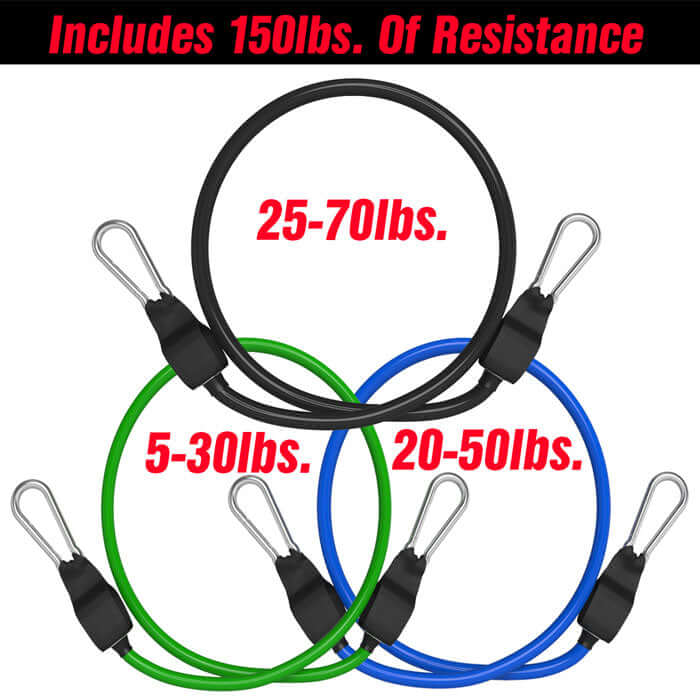
Underneath all of this is one big principle: progressive overload. Whether you’re training in a full gym or using an at-home setup like XBAR, you need to slowly increase challenge over time—heavier band tension, more reps, slower tempo, or more total sets.
The jump from “okay workout” to “great results” usually comes down to exercise selection, order, and slow, steady progression—not fancy equipment or extreme soreness.
Beginner or not, your leg days should feel planned, not random. That’s how you get stronger, move better, and avoid beating your joints into the ground.
Essential Leg Exercises
Strong, balanced legs come from training your lower body from multiple angles. No single exercise does everything. Variety isn’t about entertainment, it’s about complete development and staying injury-free.
Quadriceps-Dominant Exercises
Squats and leg presses (or banded squat variations) are classics for a reason. Squats engage the quads heavily, but they also force glutes, hamstrings, and core to show up to the party.
If you train in a gym, you might use barbell back squats or leg presses. At home with XBAR, you can mimic these patterns using resistance bands under your feet and the bar on your shoulders or in a front rack position. The muscles don’t care if the resistance is plates, bands, or a spaceship as long as the tension is there and the movement pattern is sound.
Start lighter than you think. Focus on controlled, full range of motion—sitting into the squat, keeping your knees tracking over your toes, and driving up through mid-foot. As your form locks in, then you add load: more band tension, more reps, or slower tempo.
Small tweaks in stance and foot position can shift emphasis between quads and adductors. If a stance feels better on your knees and hips while still letting you work hard, that’s the stance you stick with.
Hamstring-Focused Workouts
Your hamstrings are your built-in brakes and accelerators. Ignoring them is a fast track to cranky knees and low-back issues.
Romanian deadlifts (RDLs) are a go-to. With a bar, dumbbells, or XBAR bands, the idea is the same: hinge at the hips, keep your spine neutral, and feel a deep stretch in the hamstrings as you lower under control. Then drive the hips forward to stand tall.
Hamstring curls let you isolate the muscle and pile on volume without loading your spine. Glute bridges or hip thrusts (weighted or banded) double down on hip extension strength, which helps everything from sprinting to simply standing taller.
Too much quad work without enough posterior-chain training is a recipe for imbalance. Build both sides of the leg equally and your knees and hips will thank you long-term.
Beyond the Big Two
Quads and hamstrings do a lot, but they’re not working alone.
Calves handle thousands of steps a day, but they rarely get dedicated training. Standing and seated calf raises (using bodyweight, dumbbells, or band resistance) to improve ankle stability, jumping power, and overall lower-leg durability. Aim for slightly higher reps (15–20) with a strong squeeze at the top and slow lower on each rep.
Adductors (inner thighs) keep your hips stable and help with lateral movement. Bulgarian split squats, lateral lunges, and banded side steps are great ways to train them. You’ll feel the difference the next time you cut, change direction, or catch yourself from tripping.
“Balance your workout between pushing forward with the quads and pulling back with the hamstrings.” That simple rule has guided athletes and coaches for decades—and it holds up for everyday lifters too.
Once you understand the key movements, the next question is: what gear do you actually need to make this happen—especially if you don’t want a room full of machines?
Tools and Equipment
Here’s the truth: you can build strong legs with a full gym. You can also build strong legs with a compact setup at home. The right tools just make it easier to train consistently and safely.
If you’re in a traditional gym, a squat rack plus a barbell and plates is the classic foundation. They let you perform squats, lunges, and RDLs with heavy loads and built-in safety pins for protection.
Machines like the leg press and Smith machine can help beginners learn movement patterns with more stability. They also make it easy to push intensity without worrying as much about balance or bar path.
But you don’t need a full commercial setup to train your legs effectively.
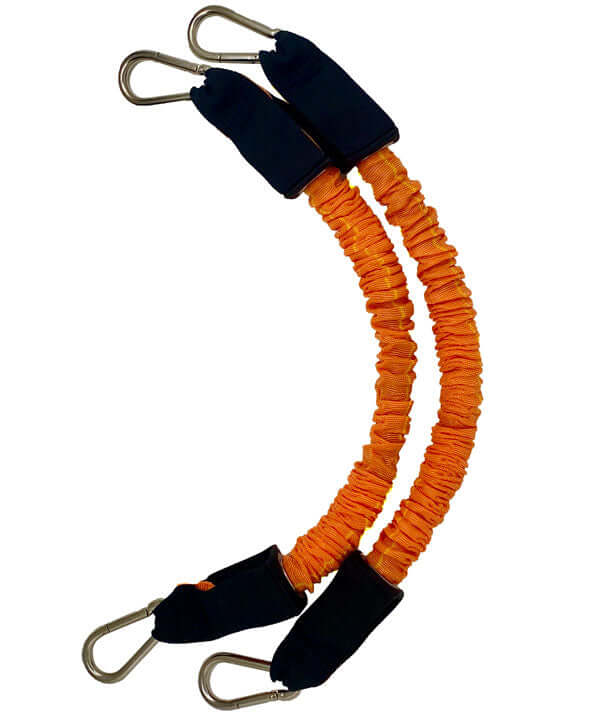
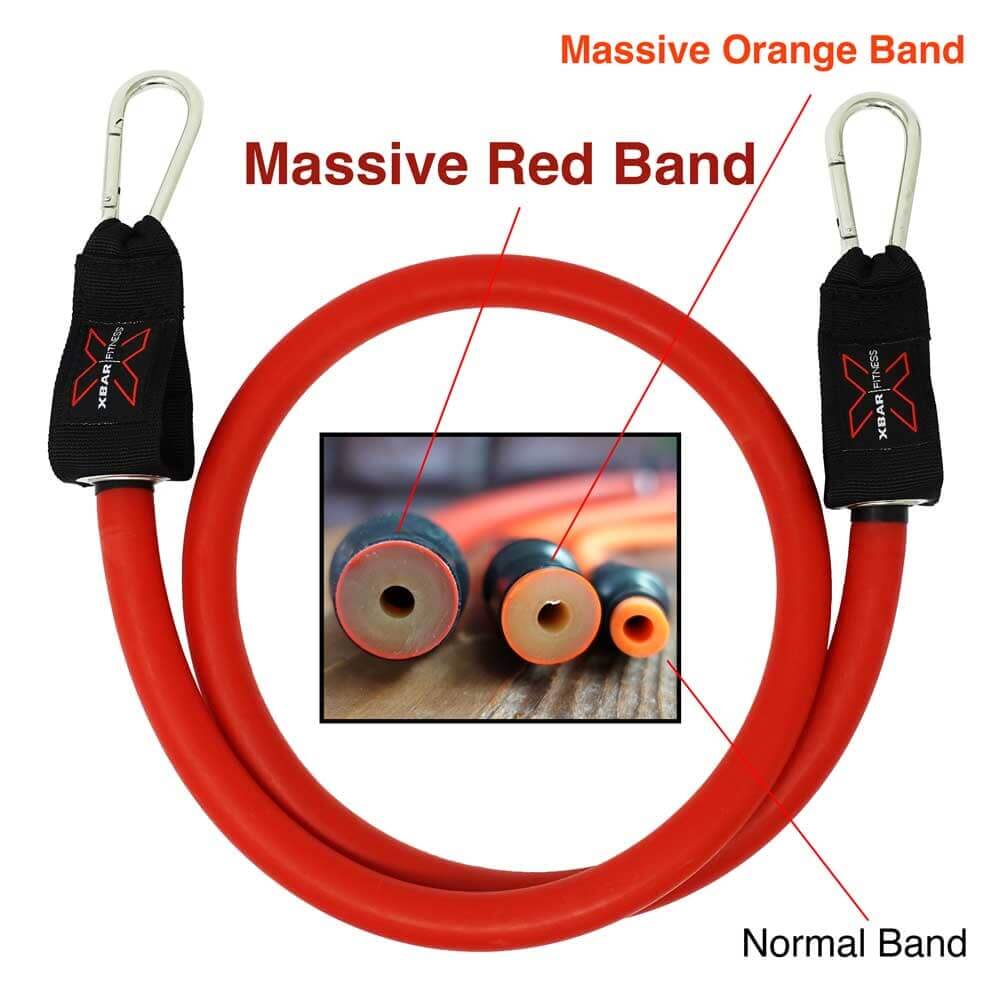
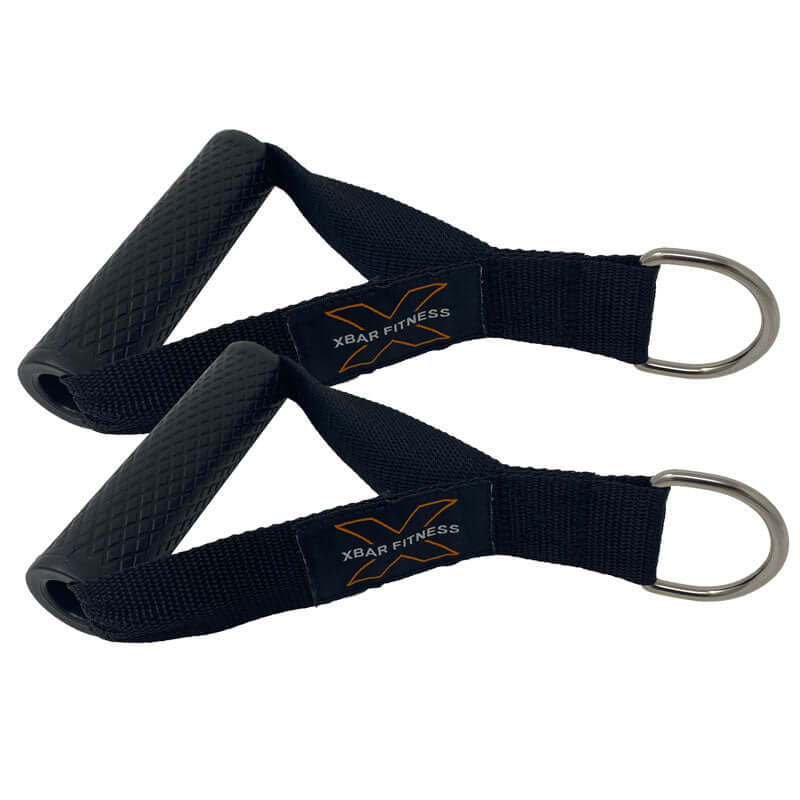
Resistance bands and a portable system like the XBAR Portable Home Gym give you another path. With bands anchored under your feet, at a door, or around a sturdy point, you can replicate squats, RDLs, lunges, curls, and calf raises—without a single plate or machine. As you get stronger, you move up to heavier bands or combine them for more resistance.
Dumbbells are also excellent for unilateral work like Bulgarian split squats, step-ups, and single-leg RDLs. They pair perfectly with bands to create more tension at the top of the movement where bands are strongest.
Footwear and support gear matter too. Flat, stable shoes keep your footing secure for squats and hinges. Knee sleeves or light wraps can add warmth and confidence under load—especially on heavier days.
Stability tools like BOSU balls or balance pads are optional, but they can be useful for targeted balance drills or rehab-style work. They’re not mandatory for strong legs, but they can sharpen coordination and ankle stability.
The bottom line: you don’t have to choose between “full gym or nothing.” A simple setup—XBAR, bands, maybe a pair of dumbbells—is more than enough to build strong, capable legs at home. The magic isn’t the equipment; it’s how you use it.
Optimal Sets and Reps
Now let’s talk numbers—sets and reps. This is where a lot of beginners either underdo it (not enough stimulus) or overdo it (wrecked for a week).
For muscle growth (hypertrophy), a solid starting point is:
- 3–5 sets of 8–12 reps for your main lifts.
This range is heavy enough to challenge you but not so heavy that your form falls apart instantly.
For strength, the rep range gets lower and the loads get higher:
- 3–5 sets of 4–6 reps, with longer rest between sets.
If you’re new to training, don’t sprint into the heavy-strength zone on day one. Start with 2–3 sets per exercise and aim for smooth, controlled reps. Nail your form first. Then, over the coming weeks, you can gradually add sets, reps, or resistance.
A practical beginner template might look like:
- Squat or banded squat: 3 x 8–10
- RDL or banded RDL: 3 x 8–10
- Bulgarian split squat: 2–3 x 8–10 each leg
- Leg curls (machine or band): 2–3 x 10–12
- Calf raises: 3 x 15–20
Spread this kind of work across 2–3 leg-focused sessions per week (or total-body days that include legs) rather than destroying yourself in one marathon workout. Your muscles grow from repeated, recoverable stimulus—not from one heroic leg day you need five days to recover from.
Think long game. You’re better off training at 70–80% effort consistently than going “all out” once and then limping away from leg day for a month.
Effective Workout Variations
If you run the exact same leg workout forever, your body eventually gets bored—and so do you. You don’t need to change everything every week, but small variations keep progress moving.
Take the squat as an example:
- Back squat or banded back-squat pattern – more hip and glute emphasis, great for overall power.
- Front squat or banded front-loaded squat – more quad and core demand, upright torso, very joint-friendly when done well.
- Goblet squat – awesome for beginners to dial in squat mechanics before going heavier.
Add in Bulgarian split squats and single-leg RDLs and suddenly your legs are getting hit from multiple angles, one side at a time. That’s how you clean up imbalances and build serious stability.
Beyond traditional lifting, bodyweight and plyometric variations help, too. Step-ups, reverse lunges, or jump squats challenge your coordination and explosiveness. You don’t need a ton of volume with plyometrics—just a few quality sets once or twice a week can go a long way.
“Constant variation keeps the muscles guessing and leads to better gains.” The idea isn’t to do something different every single workout—it’s to introduce new angles, tempos, and challenges often enough that your body doesn’t coast.
To keep things simple:
- Rotate your main squat or hinge variation every 4–6 weeks.
- Include at least one unilateral exercise each leg day.
- Add a bit of bodyweight or plyometric work once or twice a week if your joints feel good.
- Make sure the variations challenge you but don’t wreck your form or your joints.
You’re not trying to “confuse” your muscles with chaos. You’re upgrading them with smart variety.
Importance of Recovery
Last piece of the puzzle: recovery. This is where the gains actually happen.
Every rep you do creates tiny amounts of stress and microscopic muscle damage. Recovery is where your body repairs and upgrades those tissues so they come back stronger. Skip it, and you’re just accumulating fatigue and soreness, not progress.
Right after your leg session, a few simple habits go a long way:
- Light stretching or mobility work – nothing extreme, just enough to keep things moving.
- Foam rolling or massage ball work – helps with blood flow and stiffness.
Then there’s the big three of long-term recovery:
- Nutrition – Aim for a meal or shake with 20–30g of protein plus some carbs within a couple of hours after training. You don’t need to slam a shake in the locker room, but don’t wait all day either.
- Hydration – Sip water throughout the day, not just during your workout. Even mild dehydration can make your next session feel harder than it needs to.
- Sleep – 7–9 hours a night is where your body does its best repair work. If you want better performance and better results, start by protecting your sleep.
For most beginners, allowing at least 48 hours between heavy leg-focused sessions is a smart play. That doesn’t mean you can’t move or train upper body on off days—it just means your legs deserve a solid recovery window before you load them hard again.
To recap recovery basics:
- Stretch or lightly roll out after your workout.
- Get protein + carbs in within a couple of hours.
- Drink enough water daily, not just around workouts.
- Sleep 7–9 hours whenever possible.
- Rest your legs 48 hours between intense leg sessions.
When you combine smart structure, the right tools (whether that’s a full gym or XBAR and bands at home), progressive overload, and real recovery, leg day stops being something you dread—and becomes one of the best investments you can make in your long-term strength, mobility, and confidence. Choose the XBAR Portable Home Gym Today!