Enjoyed by +20,000 Happy XBAR Customers

Shop Rehab Resistance Bands for Safe, Controlled Training

XBAR helps you train without fighting jerky tension. That matters when you’re rebuilding shoulders, hips, knees, or ankles, or when you simply want cleaner movement without irritation.

Focus on good reps, steady tempo, and range you can own. Increase resistance only when the work feels consistent.

Start Light, Rebuild Control, Progress in Small Steps

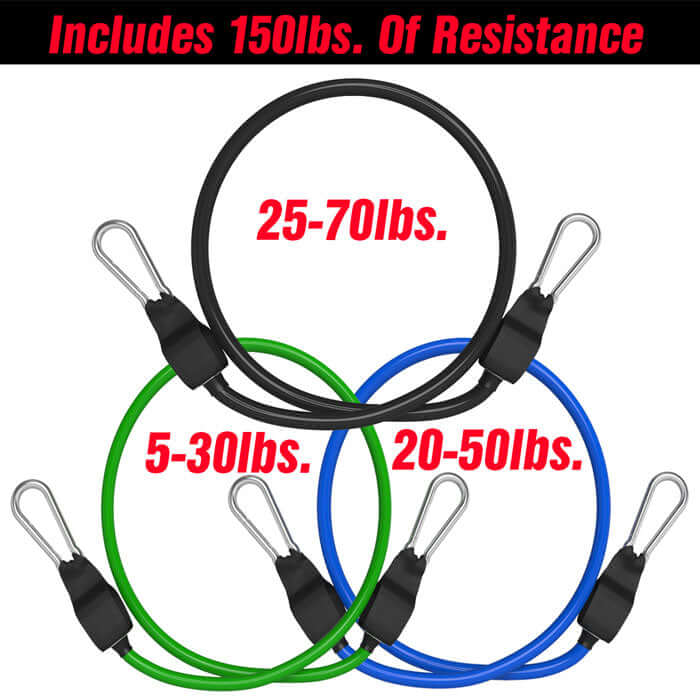
Extra light and light resistance helps you reconnect patterns, wake up stabilizers, and build confidence without compensating.

As things feel stronger, move up to medium resistance gradually.

The goal is predictable progression that matches where you are today, not where you “used to be.”

Repeatable Setups with Anchors, Straps, and Handles

Consistency removes guesswork.

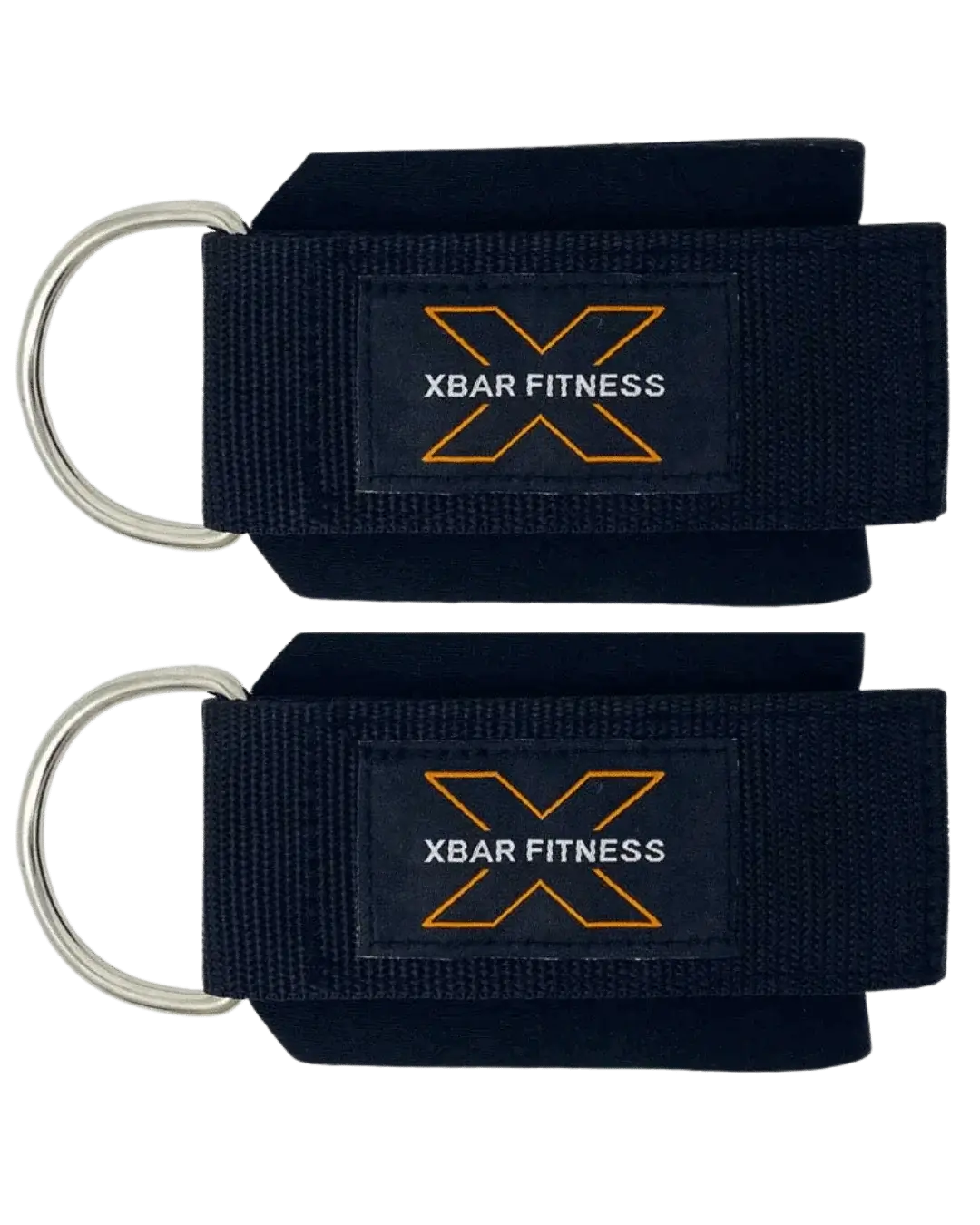
With a standard door anchor and attachments like handles and ankle straps, you can recreate the same angles for rows, presses, external rotation patterns, knee stability work, and hip-focused training.

Keep the setup repeatable, keep reps clean, and track progress based on control, not ego.

A Simple Routine You'll Actually Stick To

Keep it short and repeatable: warm up, activate, do a few controlled strength movements, then finish easy.

Track how your body feels during and after.

If something pinches or creates sharp pain, adjust range, resistance, or the movement.

If you’re following professional guidance, let that plan lead.

Why Use Resistance Bands for Rehab

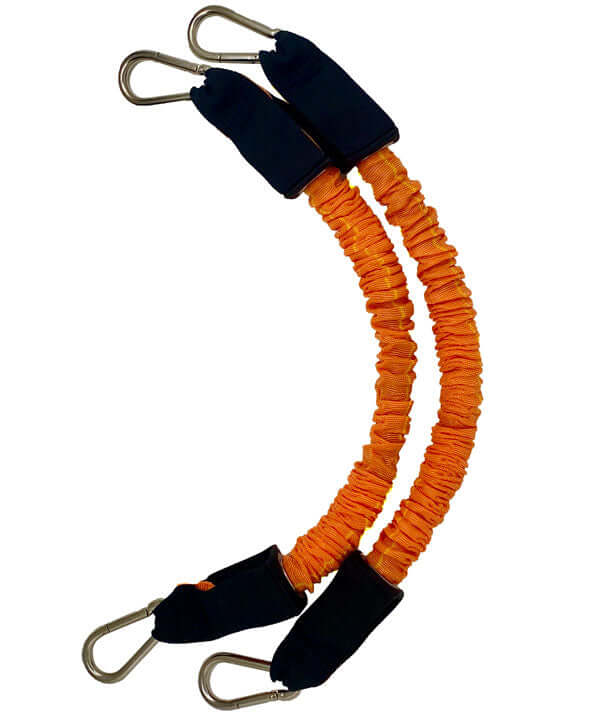
Traditional weights can be unforgiving during recovery, but resistance band rehab lets you control tension through every inch of a movement, rather than fighting gravity alone. This smooth, adjustable load supports mobility resistance training while easing healing joints, yet still challenges the muscles that need to be reactivated. 

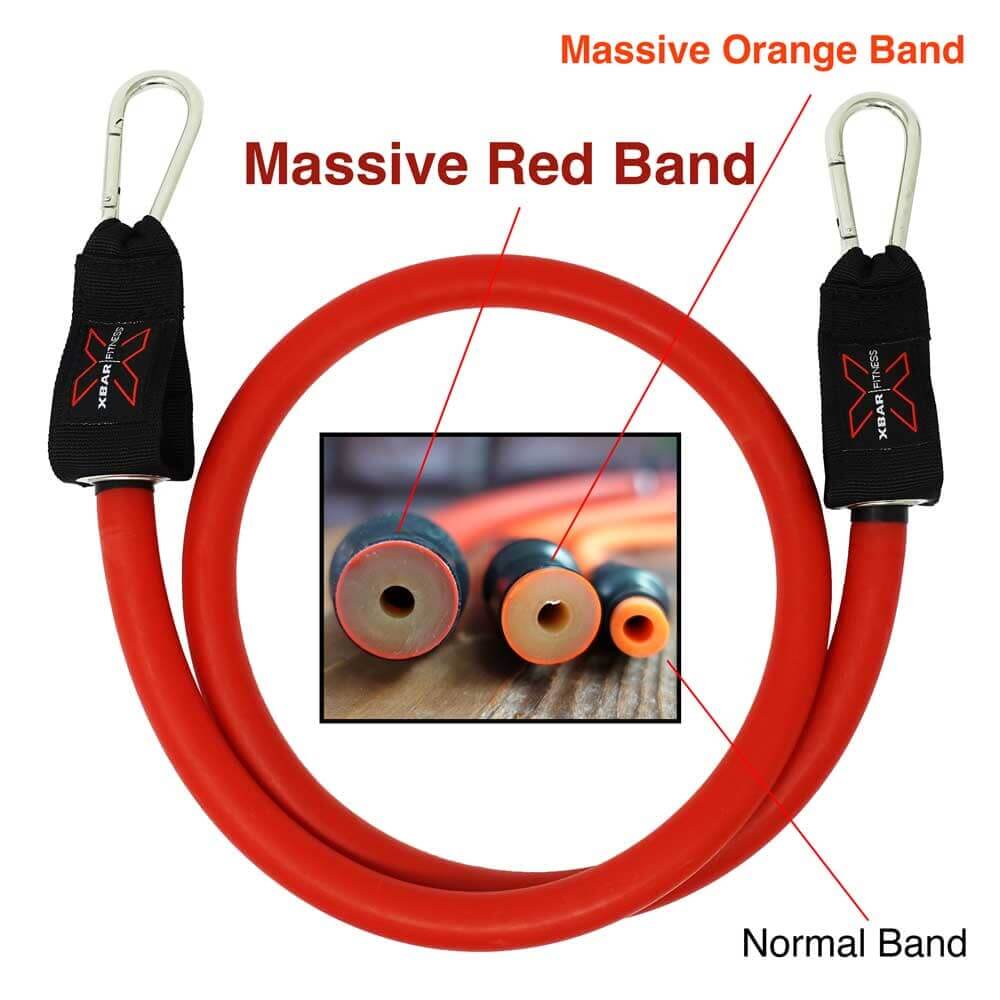
Because bands scale from extra light to medium, you can start where your body is and progress in small steps. That's what makes them reliable physical therapy workout tools: they meet your current range of motion, then grow with you as strength returns.

GET YOURS NOW
Limited Stock.
  • Amazon
  • American Express
  • Apple Pay
  • BLIK
  • Diners Club
  • Discover
  • EPS
  • Google Pay
  • JCB
  • Maestro
  • Mastercard
  • Multibanco
  • MobilePay
  • PayPal
  • Przelewy24
  • Shop Pay
  • Twint
  • Union Pay
  • Visa

Frequently Asked Questions

Got questions? We’ve got answers!

How fast will my order arrive?

Most orders ship in 1–3 business days. You’ll get tracking as soon as it leaves our warehouse, and delivery speed depends on your location at checkout. If you need it by a specific date, grab your items now so they’re in the queue.
What if I don't like it?

Most orders ship in 1–3 business days. You’ll get tracking as soon as it leaves our warehouse, and delivery speed depends on your location at checkout. If you need it by a specific date, grab your items now so they’re in the queue.

Which resistance level should I start with for rehab work?

Follow your PTs guidance! Start lighter than you think. For rehab and recovery, the win is controlled reps and clean range of motion, not ego resistance. Light bands are usually the best first step.

Is this good for PT-style exercises?

Yes. Bands are great for controlled movement patterns: shoulder stability, glute activation, knee tracking, core control. It’s like having a “PT toolbox” at home.

How do I progress without irritating something?

Add reps first, then range, then tension. If you can’t keep the motion smooth, you’re going too heavy. Control > intensity when you’re rebuilding.

What accessories help most for rehab?

Handles reduce grip strain. Anchors give you better angles. And lighter bands let you train the pattern without fighting the resistance.

Should I get the door anchor too?

The door anchors add versatility and different angles to your workouts. You can position the door anchor at different heights to ensure you train the right spots.

What are rehab resistance bands used for?

Rehab resistance bands help rebuild strength and range of motion after injury or time away from training. They're used for shoulder stability, glute activation, and core control, providing smooth tension rather than jerky free-weight loading. Paired with anchors, they also work as versatile mobility bands for activation before a workout.

How do I choose the right band tension for rehab?

Start lighter than you think you need. Light resistance bands are usually the safest entry point, letting you focus on clean reps and a full range of motion rather than ego-lifting. Once movement feels consistent and pain-free, gradually increase the intensity, following your physical therapist's guidance.