
Enjoyed by +20,000 Happy XBAR Customers

Shop Mobility Bands and Tools to Move Better Every Day

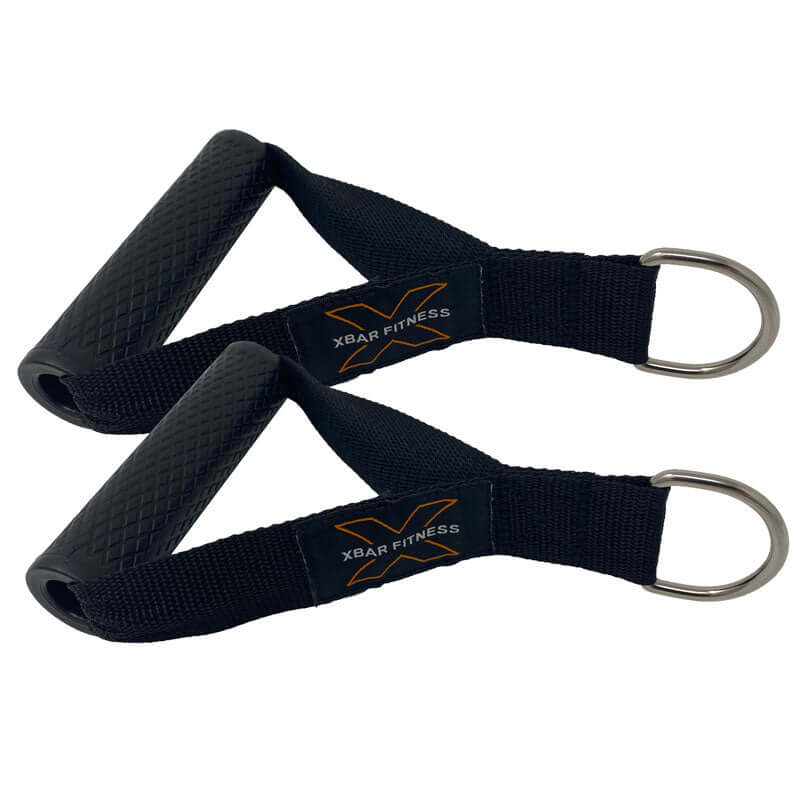
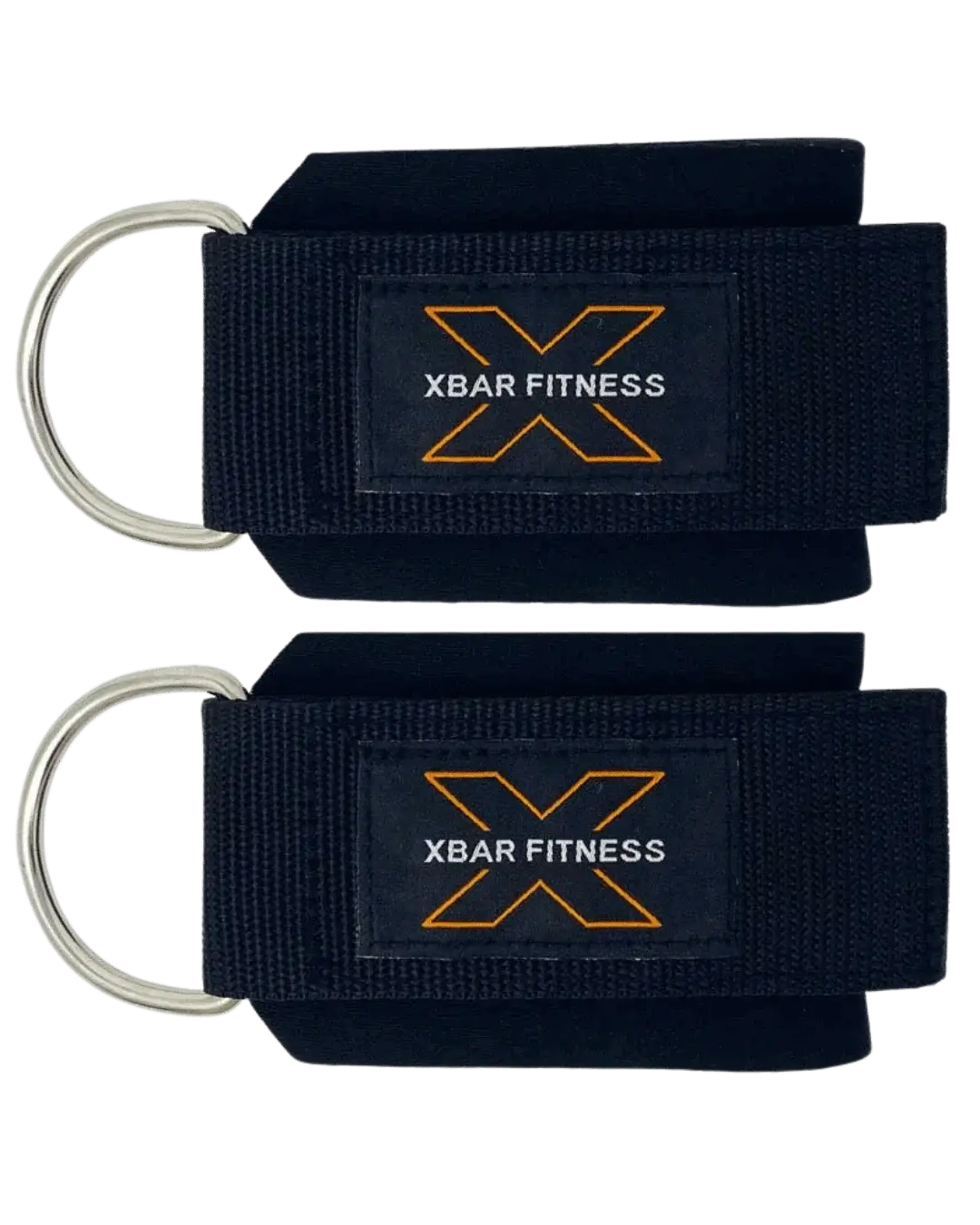
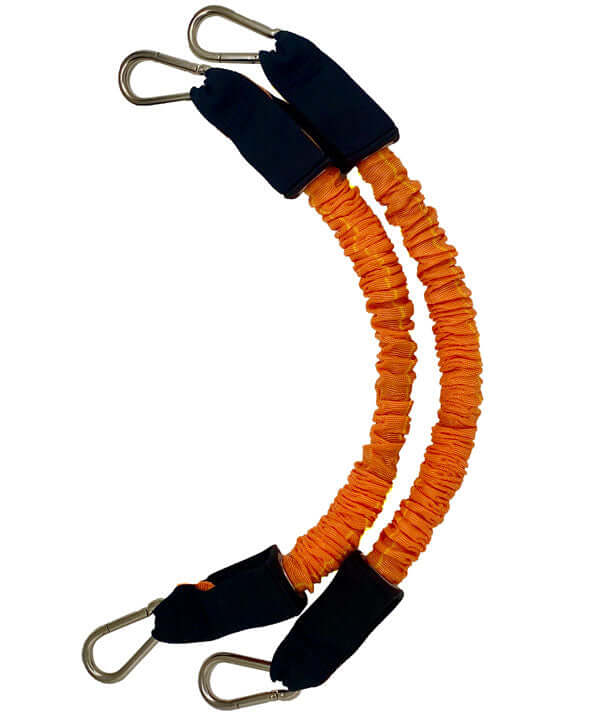
Use bands, anchors, and sliders to warm up joints, activate key muscles, and build control through the ranges you actually use. Minimal setup. Easy to repeat. Perfect before workouts or as a quick reset.

Mobility Bands for Warm Ups, Activation, and Better Movement

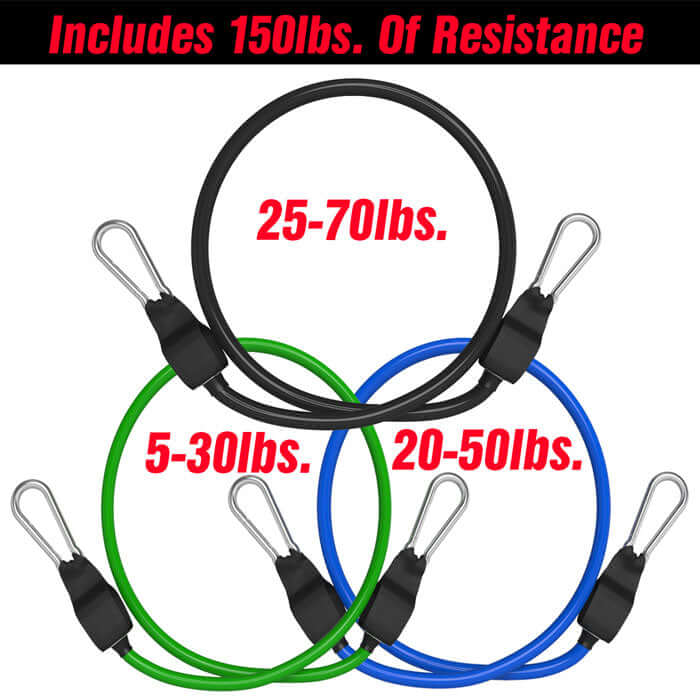
Use light-to-medium resistance to open up shoulders, prime hips and glutes, and clean up movement patterns before training.

Bands give feedback that helps you stay in better positions.

Increase tension only when you can keep the movement smooth and controlled. The band should guide the rep, not fight you.

Sliders for Core Control and Coordination

Sliders (with booties) turn basic mobility into real control work. They challenge core stability, hip control, and shoulder positioning with low impact. Use them for slow mountain climbers, knee tucks, body saw variations, and controlled lunges to build coordination without pounding your joints.

A Simple 5 to 10 Minute Mobility Flow You Can Repeat

If you want a routine that sticks, keep it short. Start with 2 to 3 minutes of easy joint circles and breathing. Add 3 to 5 minutes of band work for hips and shoulders.

Finish with 2 minutes of core control using sliders. Do this before workouts or as an end-of-day reset. Small doses done often beat random long sessions.

Shoulder and Hip Mobility Bands

XBAR's mobility training equipment helps you open tight shoulders and hips before they slow you down. 

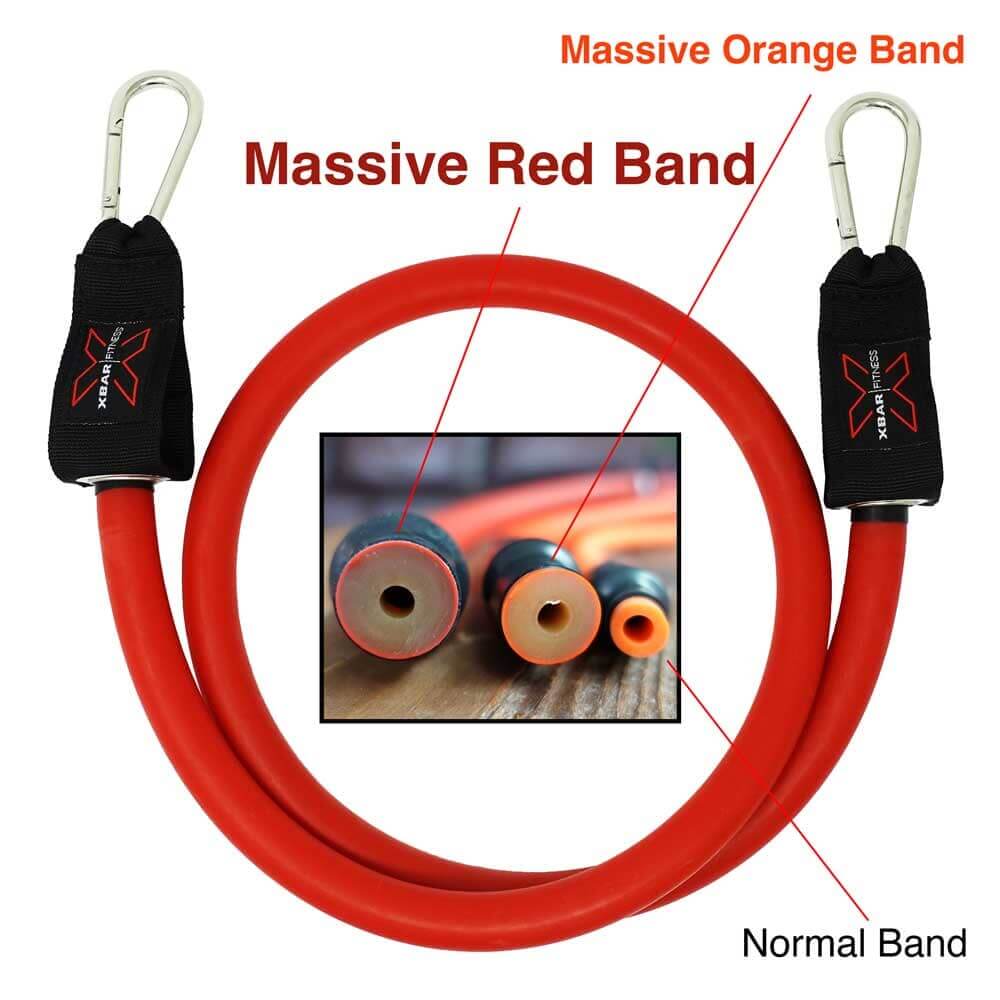
Light to medium stretching resistance bands guide your shoulders through overhead reaches and rotations, while resisted hip openers and glute activation prep your lower body for squats and everyday movement. This is resistance training for mobility, not heavy lifting. 

It's smooth, controlled tension that teaches your joints their full range of motion. Pair your bands with rehab resistance bands for a gentler recovery day, or add exercise sliders with booties to layer in core and hip control. These recovery and mobility bands fit into any warm-up or wind-down.

GET YOURS NOW
Limited Stock.
  • Amazon
  • American Express
  • Apple Pay
  • BLIK
  • Diners Club
  • Discover
  • EPS
  • Google Pay
  • JCB
  • Maestro
  • Mastercard
  • Multibanco
  • MobilePay
  • PayPal
  • Przelewy24
  • Satispay
  • Shop Pay
  • Twint
  • Union Pay
  • Visa

Frequently Asked Questions

Got questions? We’ve got answers!

How fast will my order arrive?

Most orders ship in 1–3 business days. You’ll get tracking as soon as it leaves our warehouse, and delivery speed depends on your location at checkout. If you need it by a specific date, grab your items now so they’re in the queue.
What if I don't like it?

Most orders ship in 1–3 business days. You’ll get tracking as soon as it leaves our warehouse, and delivery speed depends on your location at checkout. If you need it by a specific date, grab your items now so they’re in the queue.

What are mobility bands used for?

Mobility bands help with warm-ups, activation, and controlled range-of-motion work. They work well for hips, shoulders, glutes, and core, especially before training or on recovery days.

Should I choose light or heavy bands for mobility?

Start light-to-medium for warm-ups and activation. Use heavier resistance only if you can keep the movement smooth and controlled without compensating.

How do sliders help mobility?

Sliders build core control, coordination, and joint-friendly stability. They are a low-impact way to improve how your body moves as a unit.

Can I do mobility work in a small space or while traveling?

Yes. Bands, anchors, and sliders are ideal for small spaces and travel because they require minimal setup and no bulky equipment.

How often should I do mobility training?

A little goes a long way. Many people benefit from 5 to 15 minutes most days, especially as a warm-up or end-of-day reset.

How are mobility bands different from regular resistance bands?

Mobility bands are lighter and used for warm-ups, activation, and controlled range-of-motion work, while regular resistance bands are often used for heavier, progressive strength training. Both rely on the same mobility-resistance-band method of tension, but mobility work favors light to medium bands with slow, controlled reps to prep joints rather than build maximum load.